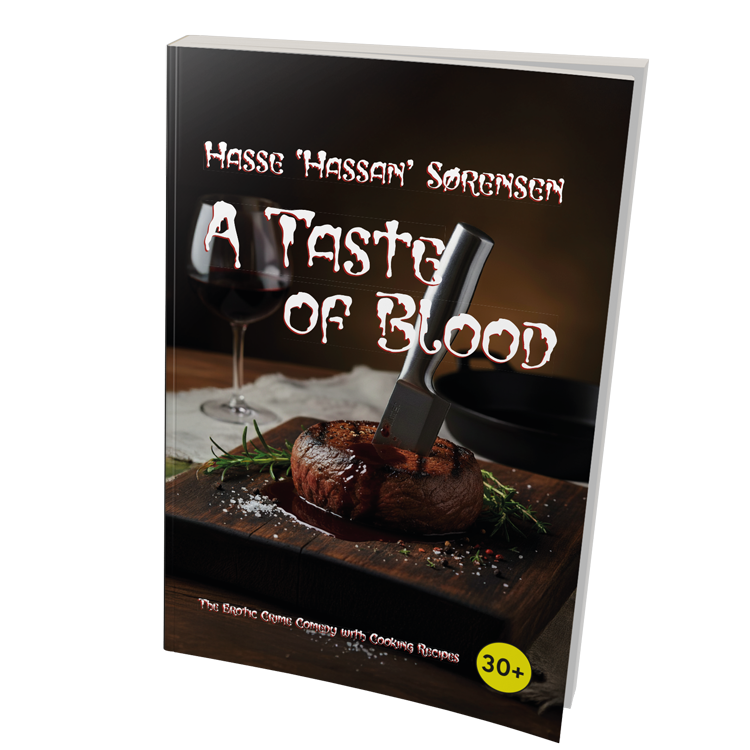




“A Taste of Blood” is an erotic crime comedy with cooking recipes. A terrible murder, lots of weird sex and an absolutely insane amount of food.
If you keep the book in the bedroom, you will get hungry, but if you keep the book in the kitchen, the explicit details of uncanny sex become a very disturbing element.
Not suitable for young people under 30 years of age.
“The writer employs a highly unsettling and morally repulsive tone, where the descriptions of food are surprisingly more disturbing and depraved than the explicit erotica. Paradoxically, the element of murder registers as the least shocking aspect of the work.”
“Hasse Sørensen is a very sick man!”
“Food and porn. Food Porn. Next level.”
“I think he found the pearl in the oyster.”
“To say so little, with so many words, is in itself an artistic achievement.”
“A mix of crime, eroticism, and comedy — leaning into absurdity and moral discomfort rather than typical genre conventions.”
262 pages
12 x 19 cm.
Paperback: DKK 145,-
Ebook: DKK 75,-
Audiobook: DKK 75,- (4 hours 40 minutes)
ISBN Paperback: 978-91-990142-8-9
ISBN Ebook: 978-91-990142-9-6
The lamb shank, a notoriously dense piece of fauna that requires a surprisingly lengthy period of contemplation in a hot, wet environment to achieve a state of agreeable submission, is, against all culinary logic, astonishingly forgiving. Should you leave it braising for an hour too long – a perfectly reasonable timeframe for one to forget one is cooking anything at all – the worst that will happen is that it becomes slightly more enthusiastic about departing the bone than you intended. If, however, it remains stubbornly resistant to the fork, simply maintain the heat; a summer’s day, in its infinite lack of hurry, is on your side.
But, and this is where we encounter the inexplicable poetry of flavor, you must brown the shank. It is, frankly, a terrible shape for even browning, yet you must persist, for this fleeting interaction between high heat and muscle tissue is the fundamental, often-ignored bedrock of all decent slow-cooked stews. Failure to properly brown the meat is rather like building a house without gravity – a feat achievable, perhaps, but one that leaves you deeply suspicious of the foundations. And who needs suspicion when they're about to eat?
The red wine sauce is, of course, the traditional and entirely predictable partner to the lamb shank, a pairing established centuries ago by people who had simply run out of any other ideas. One imagines they thought, "Well, the lamb tastes rather strongly of lamb, and the wine tastes rather strongly of wine. Perhaps if we combine them, they will cancel one another out, or at least distract us from the fact that we are about to eat a piece of leg."
The baffling thing is the sauce's initial simplicity. It is often nothing more than a collection of liquids one keeps meaning to get around to drinking, yet, after the prolonged slow cooking – a process which seems to violate several known laws of thermodynamics and certainly several rules about waiting patiently – it undergoes a stunning, almost arrogant, transformation.
What emerges is not merely a sauce, but an incredibly rich, deeply flavoured liquid, a substance so unnervingly silky and glossy that it appears to have been filtered through the sheer apathy of the world itself.
To accompany the slow cooked lamp skank I made rice. Plain Basmati rice cooked in plain water with half a package of plain butter.
In the spirit of slow-cooking we kissed for a long time after the meal, while attempting – and failing – to clear the table and rinse the plates in the kitchen sink, and moved on to slow lovemaking, eventually in the bedroom.
Nothing experimental or wild. On the contrary; slow missionary and cowgirl style, while she kept whispering naughtiness directly in my ear, using childish words in Danish, loosely translatable to “wee-wee” and “minge”, but doing so in a very adult asthmatic fashion.
After the lovemaking she walked out onto the balcony to light up a cigarette. Naked, sweaty, and with messy hair.
I’ve always wanted to be around people who are completely unfiltered, bursting with self-confidence, without regard for the faint of heart, but never managed to meet anyone who actually was, at the end of the day. So even if it pleased me, I had a hard time wrapping my mind around it.
I had to bite my tongue not to say “are you sure about this?”
Not because it made me uncomfortable, but because it made me uncomfortable on her behalf. So, yes, uncomfortable. But not… You know what I mean.
I managed to not say anything, after restraining myself forcefully.
It was somehow like receiving a gift that is in every measurable way too much, and the immediate sensation was one of profound, slightly sticky unease. By all quantifiable measures it exceeded the generally accepted parameters of a polite exchange, thereby triggering a low-level, internal panic that manifested as several unsettling questions: Is this gift, in its sheer, uncompromising expense, secretly a form of unbearable, unrepayable debt? Am I worthy of such a spectacular potential regret? And, perhaps most troubling of all, the ancient, dreadful question surfaced from the damp cellar of the mind, whispering: "Am I, in the grand scheme of things, actually worthy of being in the vicinity of this much?" One suspects the answer is probably no.
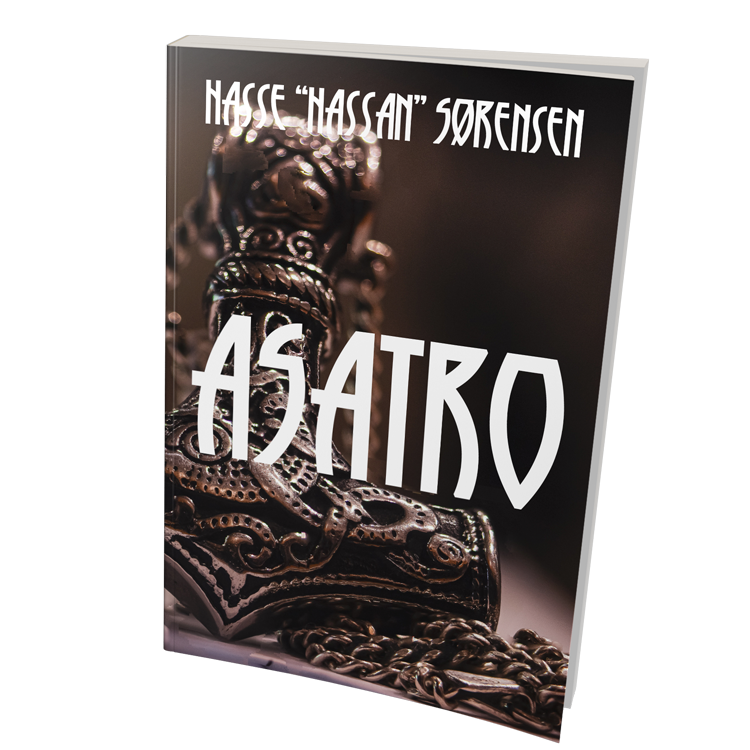
Ásatrú, also known as Norse Paganism, Norse Mythology or Forn Siðr, is not like other faiths.
Most faiths and religions are aimed at the afterlife – often at the expense of this tangible present life.
Most faiths and religions teach about scrutiny and judgement.
Most faiths will discriminate between good and evil, leaving no gabs for real life.
Ásatrú is different; a celebration of life and love; the might of nature and all the emotional encounters life will throw at you.
This book is not written to convert you to this faith, but to place you in front of a buffet, where there might be a tempting snack you can sneak out, without buying the whole seating.
That’s how it works, because Ásatrú is not a religion but a tradition; not a philosophical framework but thousands of years of real life experience; not a commitment but a toast dedicated to Skaði, one happy evening down the pub.
232 pages
12 x 19 cm
Paperback: DKK 149
Ebook: DKK 65
ISBN: 978-91-990142-5-8 / 978-91-990142-6-5


Two books in one volume
You’ve seen the movies, now read the book!
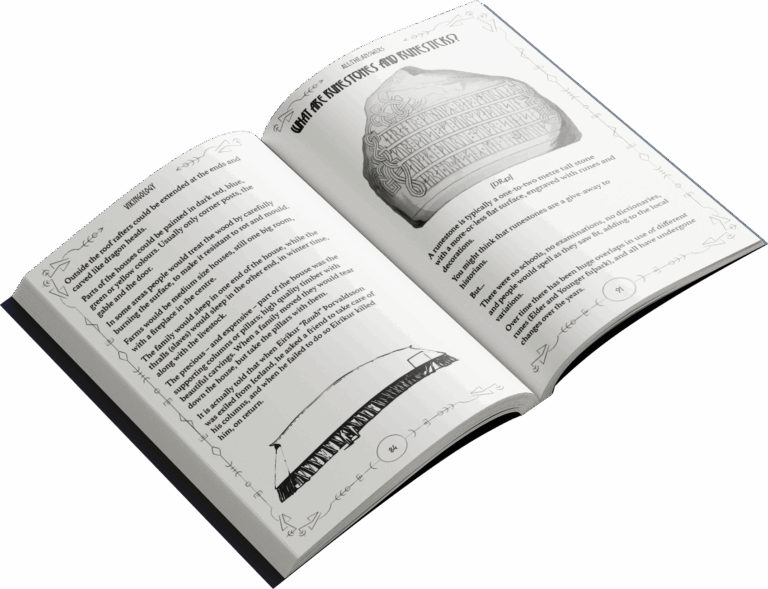
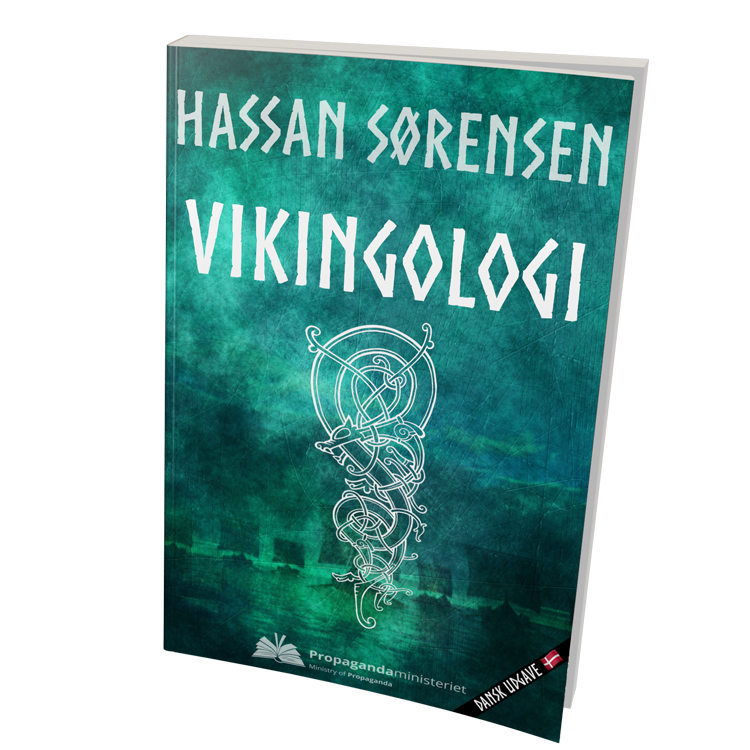
We’re peeling back the layers to reveal the real Vikings.
Expect a thrilling mix of new underground archaeology and historical facts that are anything but boring.
And because you’re here for the good stuff, we’re also diving headfirst into the mythical sagas and epic tales that truly defines the Norse world.
Prepare for a longboat trip that’s equally enlightening and entertaining.
ISBN: 978-91-990142-4-1
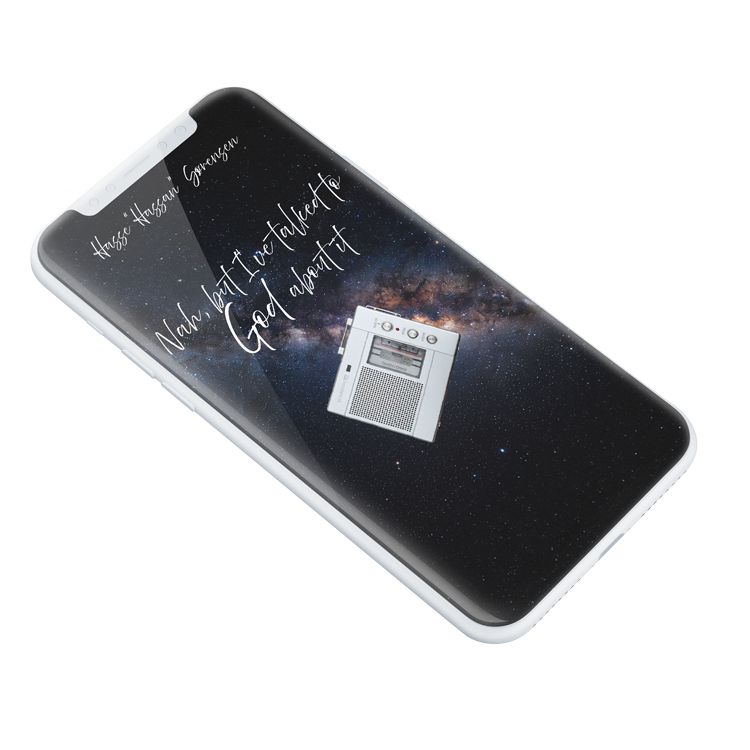
A journalist is killed in a traffic accident, and gets a chance to do an interview with God.
Some people will perceive this as the fifth Gospel, others as highly blasphemous.
47 pages.
Ebook: DKK 29,-
Audiobook: DKK 29,-
ISBN: ND2ZPY2J8BH
God laughed heartily again, at his own joke, and took a sip of coffee, after regaining his composure.
“Yes… Yes, I understood that. Can you also take it when someone makes fun of you? I mean; do you have a sense of humor?”
God stared at me in disbelief. “Have you ever seen a giraffe?”
I nodded. Wondering.
“Then how can you ask if I have a sense of humor?”
“And I'm glad when you people also have a sense of humor, like on a slightly more epic scale. Jacob Zuma, for example. He became president of South Africa. That's really funny.”
“Is life on earth a test?” I asked after a pause. I wanted to get back to the essentials.
“No, no …” God replied. “But obviously there are some people I like more than others.”
“What is your attitude towards homosexuals?” I asked.
Attitude questions are always good when creating a portrait.
God looked puzzled.
“Attitude? Towards homosexuals …?” God shook his head slowly.
“Why would I have an opinion?”
I tried to answer the puzzled expression with a similarly puzzled expression. As a journalist, you have to maintain the impression that you are the representative of your readers, and therefore ask questions that you yourself do not find reasonable. Ideally, the interviewees should always have the impression that you have more sympathy for them than for your readers.
That I could determine what impression God had of me, with small theatrical gestures, is perhaps the most naive thing I have ever imagined.
– and that is saying a lot.
“Is there a Heaven?” I asked.
God held out his arm and glared at me reproachfully.
I nodded and smiled apologetically as I checked my notepad.
“Is there a Hell?” I asked casually as I reached for my coffee.
God made a rocking motion with his hand.
“Yes, and no.”
He scratched his hair.
“The Hell that some religions describe, with the devil and flames and instruments of torture, is not something I came up with.
But there is a Hell that you are sent into, once in a while, to experience what it feels like to lose your soul.”
“So on Earth?” I asked.
God took a sip of coffee and replied, somewhat casually, “yes, it comes in many forms. Where you come from it’s called Costco.”
“Costco???” I asked, confused.
God closed his eyes and nodded slowly.
Only when God closed his eyes could I fully focus on his appearance.
Michelangelo painted a portrait of God on the ceiling of the Sistine Chapel. Nothing could be more misinterpreted. Nevertheless, it has given many Christians the strange idea that God must be an old man, with a big white beard.
What mushrooms Michelangelo had eaten before he got that idea, only God knows.
So that's what I asked.
God laughed loudly. “Oh Dear, I do love Michelangelo very much, but he certainly won’t get a job in my advertising department! That’s for sure.”
Everything you need to know about Norse Mythology, also known as Ásatrú and Forn Siðr.
It’s a fascinating world of supernatural and hidden beings, and to some people’s surprise, not only a thing of the past.
In the Nordic countries Ásatrú has blended with Christian Mythology to form the present day cultural folklore.
In all the Nordic countries it’s even a triving and growing religion.
In international popular culture the Norse Mythology is often portrayed as grim, dark and scary, but in reality it’s a celebration of life: the Æsir encourages humour, and indulgence in sex, drink, and food is considered sacred.
While Odin and Thor are well-known, a wealth of other, perhaps more intriguing, characters await discovery.
2nd Edition
168 pages
12 x 19 cm
Paperback: DKK 149
ISBN: 978-91-990142-3-4
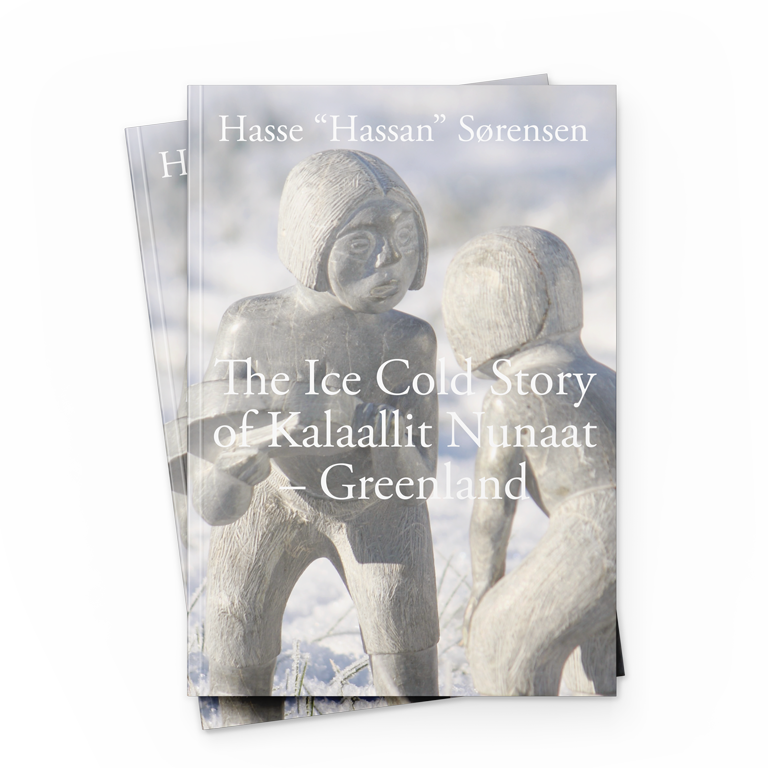
Without sugarcoating this book tells the ice cold story of Kalaallit Nunaat – Greenland – its Inuit people, the Danish colonial era, and the long and winding road towards independence.
Read this book to grasp how this cold country became a hot topic.
82 pages
12 x 19 cm.
Paperback: € 7
E-book: € 3
Audiobook: €3
ISBN Paperback: 978-91-990142-1-0
ISBN E-book: 978-91-990142-0-3
Røverhistorier, små mærkelige anekdoter og sære sagaer fra hele verden.
Nogle af dem vil forhåbentligt få dig til at tænke: “Åh, ja, det minder mig om …”
De fleste historier er sande. Eller næsten sande. Nogle af dem er sjove. Et par af dem er helt sindssyge!
Det er ikke så vigtigt, om de er sande eller sjove.
Det vigtige er at du bliver inspireret.
Intet toilet eller venteværelse bør være uden.
136 sider
12 x 19 cm.
Paperback: DKK 79,-
Ebog: DKK 39,-
ISBN: 9788797402436
Den danske opfinder Karl Krøyer, som levede fra 1914 til 1995, opfandt ståltråds-elastikken, radial dækket til cykler og vejbelægningen Synopal som gjorde striberne på vejene selvlysende om natten. Han opfandt også en metode til at forenkle fremstillingen af glukose, som siden har reddet millioner af menneskeliv.
I alt fik Krøyer godkendt over 200 patenter i sit liv, inklusive Krøyer-kugler.
I november 1964 sank fragtskibet Al-Kuwait i Kuwaits havn. Det var et problem, for Kuwait by afsaltede vandet i havnen, for at fremstille drikkevand, og om bord på Al-Kuwait var 5000 får. Skibet var forsikret hos et dansk selskab, der bad Krøyer om hjælp.
Han fandt på at bruge en slange med trykluft til at blæse luftfyldte styropor skumplast kugler ind i skroget, indtil næsten alt vand var fortrængt og skibet flød op til overfladen.
Seks uger og 150 ton skumkugler senere kunne skibet sejles væk i ét stykke.
Kort efter brugte han samme metode til at hæve en dansk coaster ud for Grønlands kyst.
Men da han ville patentere metoden, og fik grønt lys i både Danmark, Tyskland og England, sagde de hollandske patentmyndigheder nej.
Problemet var, at metoden var kendt i forvejen, fra et Anders And blad fra 1949, hvor Anders And, Rip, Rap og Rup hævede et skib for Onkel Joakim med præcis samme metode.
Ergo er ophavsmanden til metoden Anders And, eller rettere tegner og forfatter Carl Barks.
Karl Krøyer fastholdt, at han aldrig havde set det Anders And blad, og Carl Barks erkendte, at han aldrig havde troet det kunne fungere i virkeligheden, men de hollandske myndigheder holdt fast:
Opfindelsen er Anders Ands.
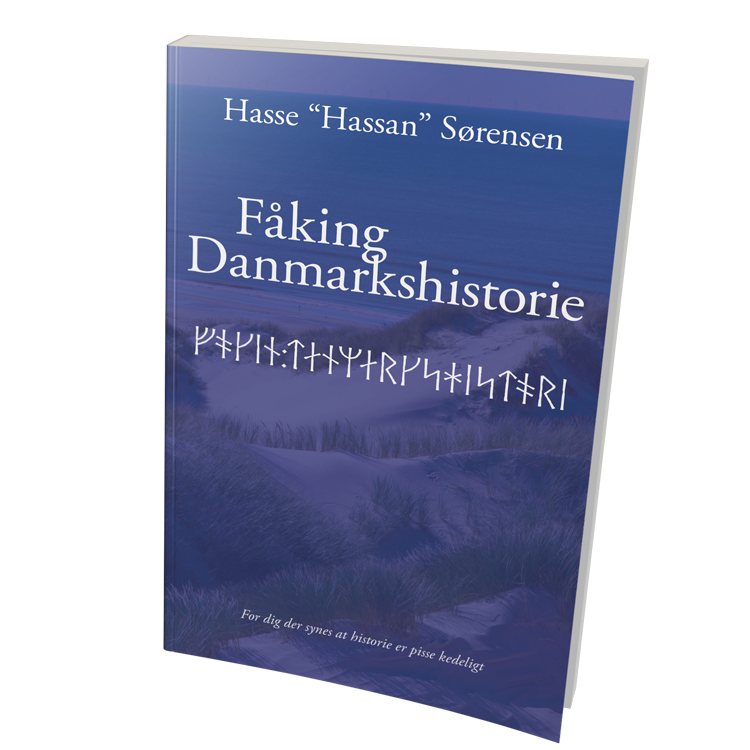
Denne bog er til dig der synes at historie er pisse kedeligt.
Du behøver ikke at kende alle kongerne for at forstå historien, kun ham med stenen, ham med flaget, ham der onanerede offentligt, og ham der var en dame.
Historie kan fortælles med en pegepind og en tavle, eller med en stor fadøl og nogle store armbevægelser…
94 sider
12 x 19 cm.
Paperback: DKK 79,-
Ebog: DKK 49,-
ISBN: 9788743059967
Tilbage i Danmark havde de skaffet sig et problem på halsen. Kristendommen er smart nok, på den måde at det svarer til at blive medlem af både NATO og EU, på samme tid, og man nu har frit lejde til at røve, voldtage og nedbrænde alt der ikke er kristent, men det medfører desværre også en del kvindeundertrykkelse, og en deling af magten.
Kongen er konge, men han skal rette sig efter kirken, og kirkens nærmeste overhoved var ærkebiskoppen i Bremen, i det som nu er Tyskland, men dengang hed (super forvirrende) Det Hellige Romerske Rige.
Der gik flere hundrede år, før vi endelig kunne få en egen skandinavisk ærkebiskop.
Men det er ikke det vigtigste sted i den historie.
Jeg vil også springe let hen over en række fåking sindssyge magtkampe, som blot vil stå tilbage for dig som en masse navne, økser og blod i stride strømme, som får Game of Thrones til at ligne et afsnit af Gurli Gris… Et highlight er Svend, Knud og Valdemar, som alle tre vil være konge. Til en forsoningsfest i Roskilde planlægger Svend at nakke de to andre, og lykkes kun med Knud. Espen Snare hjælper Valdemar (den store) og hans bror, biskop Absalon, med at stikke af til Jylland, hvor Svend følger efter.
Det skulle han ikke have gjort, for der ender han selv med en økse i panden.
Så Valdemar tog det hele.
En anden konge ved navn Valdemar (okay, det hed de allesammen – så: Valdemar Sejr) havde fundet nogle mennesker i Estland, som endnu ikke var kristne.
Fuld fart frem, de skal trynes og tæves, dræbes og gøres til slaver, og nedbrændes og ha’ smæk!
Desværre mødte han en hær af hedninger som gjorde ham en smule hed om ørerne.
Heldigvis var der andre korsfarere i nabolaget, og fra dem huggede han en kappe.
Det er vigtigt at du lige forstår dette her: Indtil da havde enhver baron, greve, jarl, konge, magtgalning af enhver art, haft sin egen fane, med deres eget logo, som de selv, og deres soldater, brugte som identifikation. En tilfældig bonde, som samlede den op og viftede med den, ville blive straffet strengt, måske med sit liv.
Ting nummer to: Man ville helst have den konge som tog mindst skatter, og færrest unge mænd til sin hær. Om det skiftede fra måned til måned var sådan set ligegyldigt, for man identificerede sig med sin lokale egn, ikke som undersåt i et bestemt kongerige. Dette var en global tommelfingerregel.
Valdemar løftede den røde kappe med det hvide kors og skreg hysterisk, at dette fra nu af skulle være alle danskeres flag, som de kunne bruge efter forgodtbefindende.
Han opfandt altså det nationale flag, og ifølge visse kloge hoveder endda også den nationale identitet.
Han påstod også at skidtet var sendt til ham fra den gode Gud i Himmelen, men det lader vi bare stå… Det var et genialt politisk træk!
Nu havde vi ikke blot et land der hedder Danmark, vi havde også et folk som hedder Danskere.
Ét land, én nation, ét folk, ét flag, én religion, to sprog.
Vi skulle lige have stokkeprygl af tyskerne, før vi blev reduceret til ét sprog, men det er stadig nogle hundrede år ude i fremtiden… (Uh, en cliffhanger!)
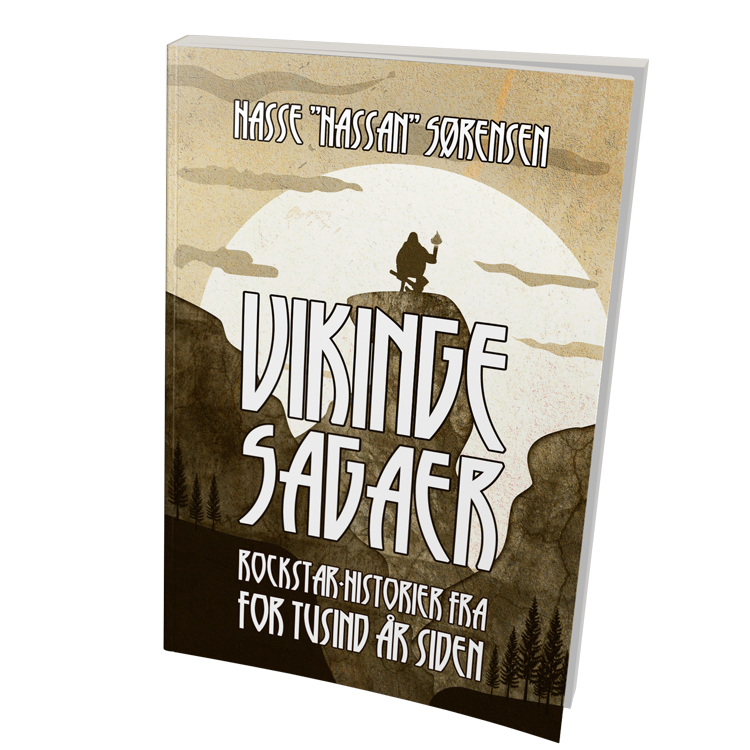
Hvordan endte halvædelsten fra Indien i en vikingegrav i England?
Få hele historien, der strækker sig ud over skjolde og økser, fra kødgryderne og ind i sengen, hele vejen fra Vinland til Konstantinopel.
220 sider.
12 x 19 cm.
Paperback: DKK 149,-
E-book: DKK 79,-
ISBN: Paperback 978-87-974024-6-7 | E-bog 978-87-974024-7-4
Læs mere: vikingr.site
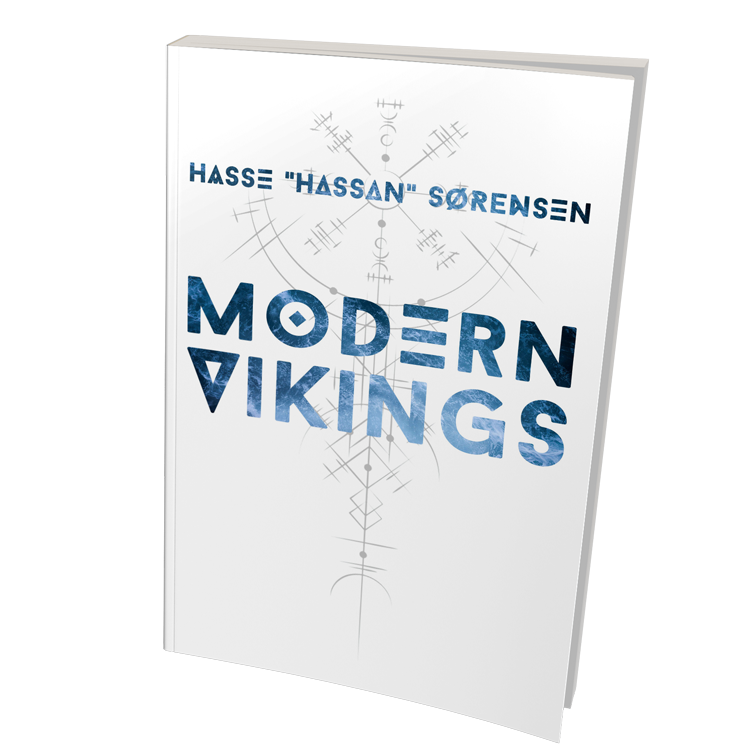
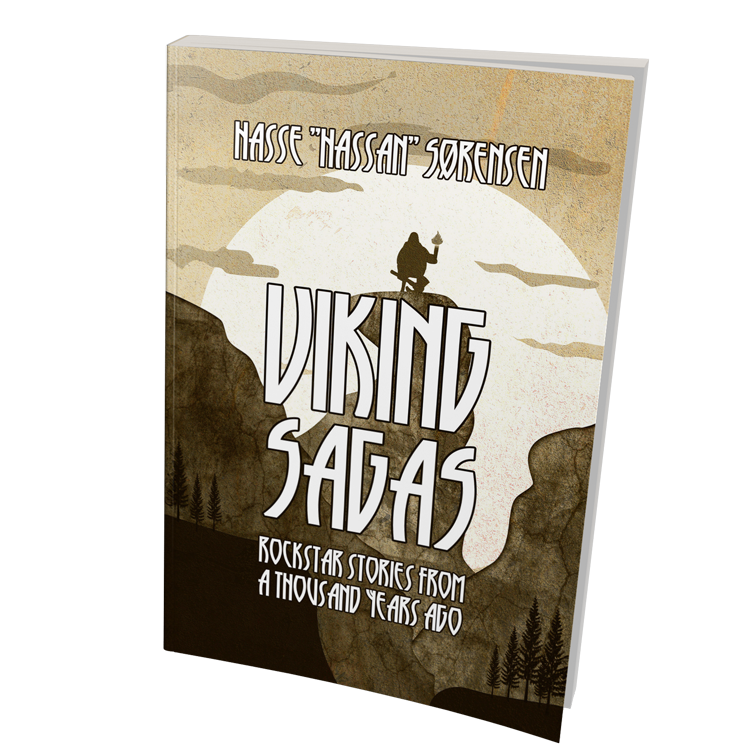
How did semi-precious stones from India end up in a Viking grave in England?
Get the full story that stretches beyond shields and axes, from the meat pots and into the bed, all the way from Vinland to Constantinople.
220 pages.
12 x 19 cm.
Paperback: Euro 19.95
E-book: Euro 9,95
ISBN: Paperback 978-87-974024-8-1 | E-book 978-87-974024-5-0
Read more: vikingr.site
An impressive deep dive into the comprehensive fuckupability of human nature, as told in your local pub.
Zero fucks given about anal accuracy and objectivity.
This is Hammered History and the word “fuck” is used a lot, as it should be while you get the idea why the world is the way it is.
The book is in English~ish…
540 pages.
12 x 19 x 3,7 cm.
Paperback.
ISBN: 978-87-430488-5-5 (e-book 978-87-430220-1-5)
Price: DKK 249,-
Ebook: DKK 149,-
Göbekli Tepe in present day Turkey is a 12,000 year old temple, that contains megaliths and graphic decorations that – according to established history thinking – is impossible.
It’s way too complicated and sophisticated, too many straight lines and too much accuracy.
It is build 7,000 years before Stonehenge and 6,500 years before the Pyramids in Giza.
12,000 years ago they didn’t have the maths, the tools or the knowledge to create this.
Well, guess what: They did it anyway.
There were hunter-gatherers in the area only 8,000 years ago.
Well, yes.
There are hunter-gatherers in Namibia now.
That doesn’t mean your MasterCard will get rejected in Windhoek.
(...)
As the example with Göbekli Tepe shows, we have no bloody idea when what happened where, and how evolved societies were at what point, when we go back to prehistoric time.
“Prehistoric” means before we started making notes in real time.
But it’s safe to say that most people get it wrong when they imagine that people were less intelligent or less mature in prehistoric time.
Of course they didn’t know how to swipe left on Tinder, and they couldn’t calculate tax deductions, but it’s not like they hadn’t invented gossip, oral sex or figuring out the counterweight to lift a monolith.
They were not fucking stupid!
If I leave a modern and smart person like you on an island with no tools, what are you going to do?
Now imagine I wipe your memory of modern tools, so you have never seen a hammer or a microwave oven, you’ll have to imagine those things, what they can do for you, and figure out how you are going to make them.
Trust me, it will not happen in a day, but it doesn’t mean that you are stupid.
You’re still pretty smart, and so were your ancestors 15,000 years ago.
They came up with the idea of using a rock to kill an animal or an enemy.
They figured out how to hit a rock with another rock to make it break and become sharp.
Now they could cut shit.
(...)
So, all in all it’s always bad for the ingenious population when white people show up on their doorstep, right?
Actually…
In some Melanesian islands in the Pacific, and in Papua New Guinea, some tribes were convinced – with quite a lot of confidence – that these pale people on huge ships were in fact Gods.
Especially as they came with boxes full of amazing unimaginable stuff, like canned food, tools made of metal, guns, and lighters.
They had to be Gods!
There was no other possible explanation.
When the white people placed antennas, making it possible for them to communicate through thin air with other Gods, the locals would do the same – or at least try, using bamboo and branches to erect similar towers.
Much to their disappointment it didn’t work.
You have to be a God to talk to other Gods.
Dammit!
(...)
Out of options he ran straight through it, and was immediately followed by some Russian blokes, once they snapped out of the surprise.
When they ran into a snowstorm they gave up, except for Aimo, who had by now started to hallucinate pretty badly.
As the hallucinations started to wear off, he found himself to be pretty far into enemy territory, and had lost his backpack, with the map and the compass.
Saatana perkele!
Three wise men style he used the stars to navigate rather sneaky back through enemy lines, until he finally found a German army camp.
To his regret the camp turned out to be left empty, except for the landmine that blew off one of his feet.
Saatana perkele!
Manualen til livet er en lommefilosofisk bog, i lommeformat, som med fordel kan læses i de stille stunder i toget, på toilettet og i hospitalssengen. Heri finder du forklaringer på seksuelle fantasier, kolonier og global opvarmning, samt anvisninger til det perfekte liv, foruden hvordan du starter din egen religiøse sekt og opdrager dine børn.
Hvad er de fede tings cirkel? Hvornår skal du slukke mobilen? Hvor mange mennesker bliver vi på jorden? Kan en matematiklærerinde være lækker? Hvad er meningen med livet? Få svar på disse, og mange andre spørgsmål, i denne vigtige lille bog.
140 sider.
12 x 19 cm.
Paperback.
ISBN: Paperback 978-87.430332-8-8 | E-bog 978-87-430650-7-4)
Paperback: 79,- 59,-
E-bog: 39,-
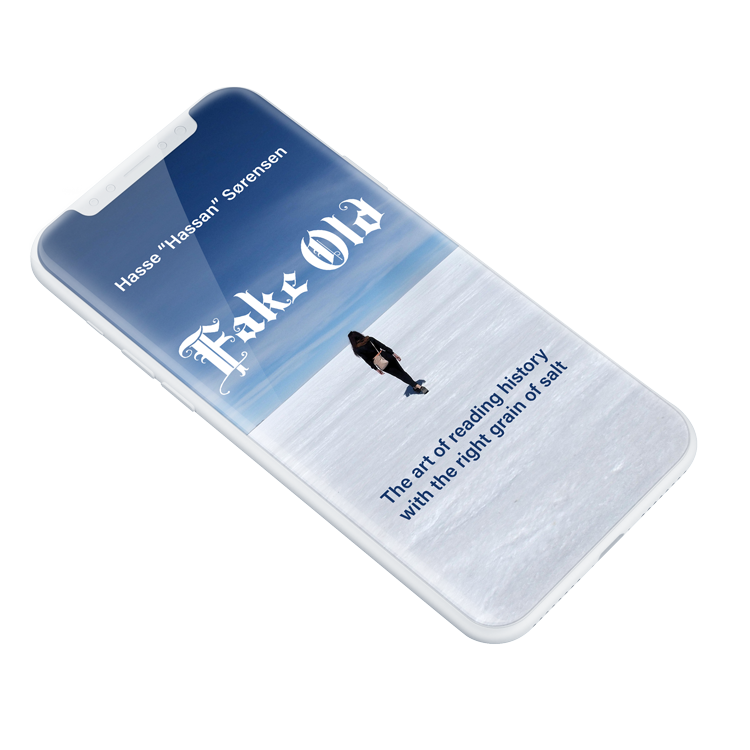
Even when history books are not political propaganda, they are always subjective for various reasons. Even when they try hard not to be.
This little book tells you what to pay attention to when reading history, and why.
Although it’s an incredibly valuable tool for learning to read history with the right grain of salt, it’s actually free.
It’s the penance of the history writer.
36 pages
E-book: Free
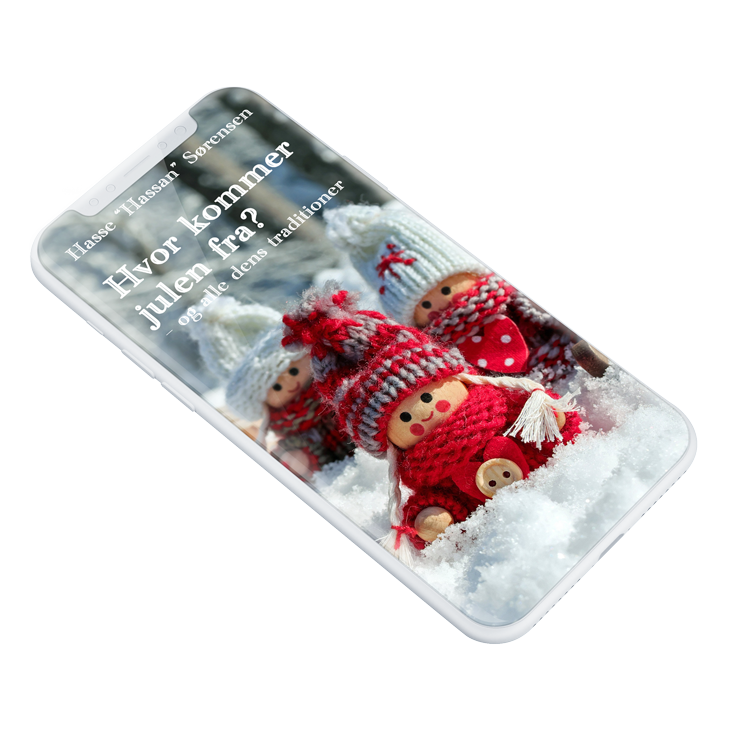
Denne e-bog er en gratis julegave fra Propagandaministeriet til dig.
Den fortæller om julens oprindelse, og hvor alle traditionerne kommer fra.
33 sider
E-bog: Gratis
Da en distræt journalist bliver dræbt i en trafikulykke, og møder Gud, insisterer han på at gennemføre et interview.
Derfor får vi nu – for første gang – sandheden om Guds sande natur og hensigter.
Nogle vil opfatte denne bog som den endelige sandhed.
Andre vil opfatte den som stærkt blasfemisk.
Det må de selv om…
ISBN: 978- 87-430271-8-8
E-bog: 35,-
Af Martin Dybdal og Hassan Sørensen
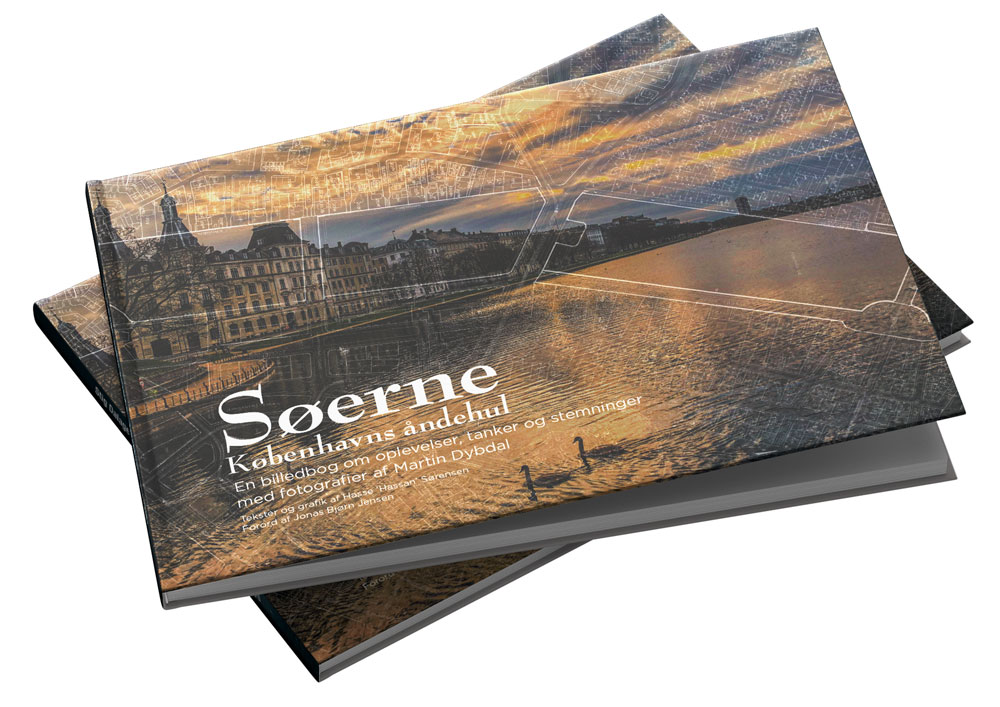
En smuk oplevelsesbog af fotografen Martin Dybdahl om søerne i København, og livet i og omkring søerne.
Fotos af Martin Dybdal, forord af Jonas Bjørn Jensen.
58 sider.
28 x 21,6 cm.
Hardcover.
ISBN: 978-87-974024-0-5
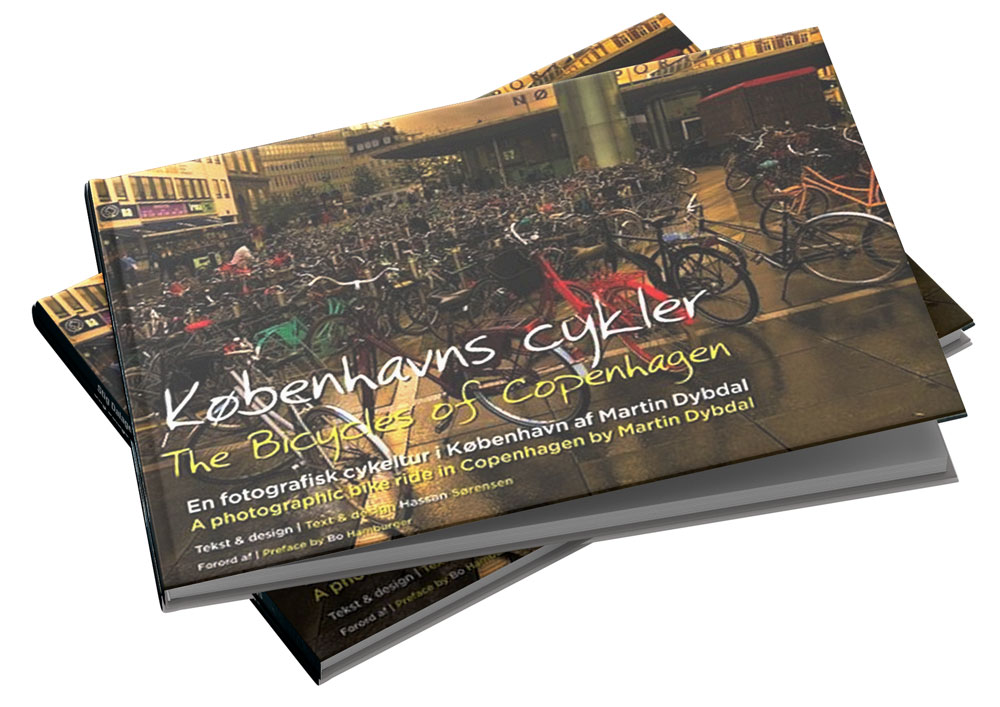
Af Martin Dybdal og Hassan Sørensen
En smuk oplevelsesbog af fotografen Martin Dybdahl om Københavns cykler.
A beautiful book by the photographer Martin Dybdahl about Copenhagen’s bicycles.
Fotos af Martin Dybdal, tekst og design af Hasse “Hassan” Sørensen, forord af Bo Hamburger.
Photos by Martin Dybdal, text and design by Hasse “Hassan” Sørensen, foreword by Bo Hamburger.
Dansk og engelsk (i samme udgave).
Danish and English (in the same edition).
60 sider | pages.
28 x 21,6 cm.
Hardcover.
ISBN: 978-87-974024-1-2
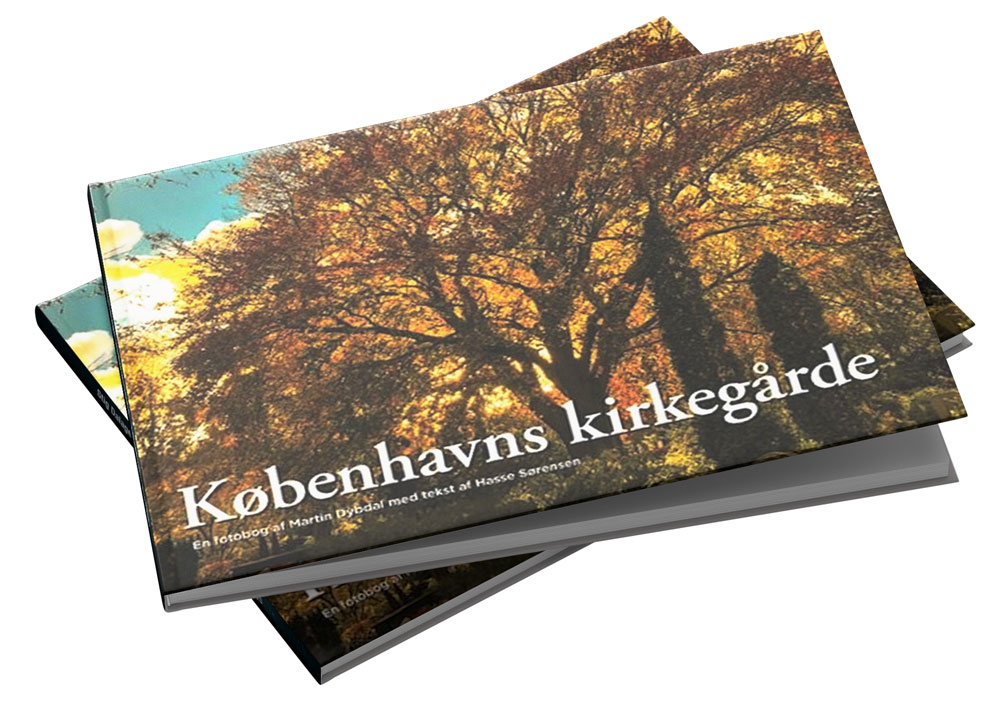
Af Martin Dybdal og Hassan Sørensen
Smukke fotografier fra Københavns kirkegårde af Martin Dybdal med dybsindige tekster af Hassan Sørensen.
56 sider
27,9 x 21,5 cm.
Hardcover: DKK 275,-
ISBN: 9788797402429
Kim Larsen og Leif Sylvester Petersens sang
”Om lidt bli’r her stille” er blevet en af de mest populære sange til begravelser.
Brugen af den er blevet kritiseret af flere præster, da den ikke tilbyder nogen form for trøst.
Måske har vi ikke brug for trøst.
Måske har vi ikke brug for at vide, at vores nære og kære er i himmeriget eller har fået fred.
Måske har vi brug for at skrige vores sorg ud, græde hæmningsløst og råbe ud i universet:
”Jeg savner dig!”
Fornægtelse.
Vrede.
Forhandling...
Derefter begynder vi langsomt at acceptere og tilpasse os til et liv uden...
Og endeligt finde en slags trøst.
Vi har brug for at komme til det sted hvor vi har lagt den savnede til hvile.
Et sted hvor vi ikke blot har en indre dialog, men også nærvær til at finde ro i den samtale vi har med den der ikke er i livet mere.
Derfor har vi behov for at kirkegården er et sted med orden, stilhed og værdighed.
Et sted hvor vi kan bearbejde vores sorg,
vores tilpasning, vores liv uden...
Og naturligvis døden.
Et sted hvor vi kan udtrykke os med det
vi havde til fælles.
Sætte en buket.
Eller en dåseøl.
Tage hovedtelefoner på og lytte til vores sang.
Være nærværende.
Her hvor det flygtige blev evigt.
Her hvor jeg kan sige det igen,
ganske stille:
...
”Jeg savner dig”
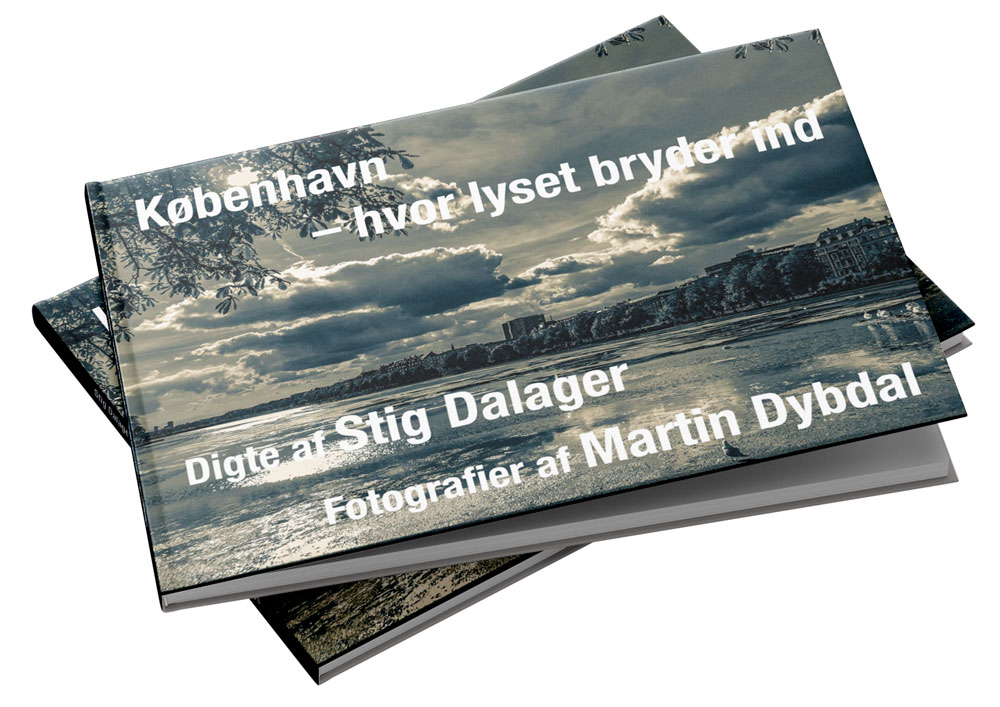
Af Stig Dalager og Martin Dybdal
Fotografier af Martin Dybdal med digte af Stig Dalager. Tekster og grafisk design af Hassan Sørensen.
28,4 x 21,5 cm.
Hardcover: DKK 349,-
ISBN: 9788793783782
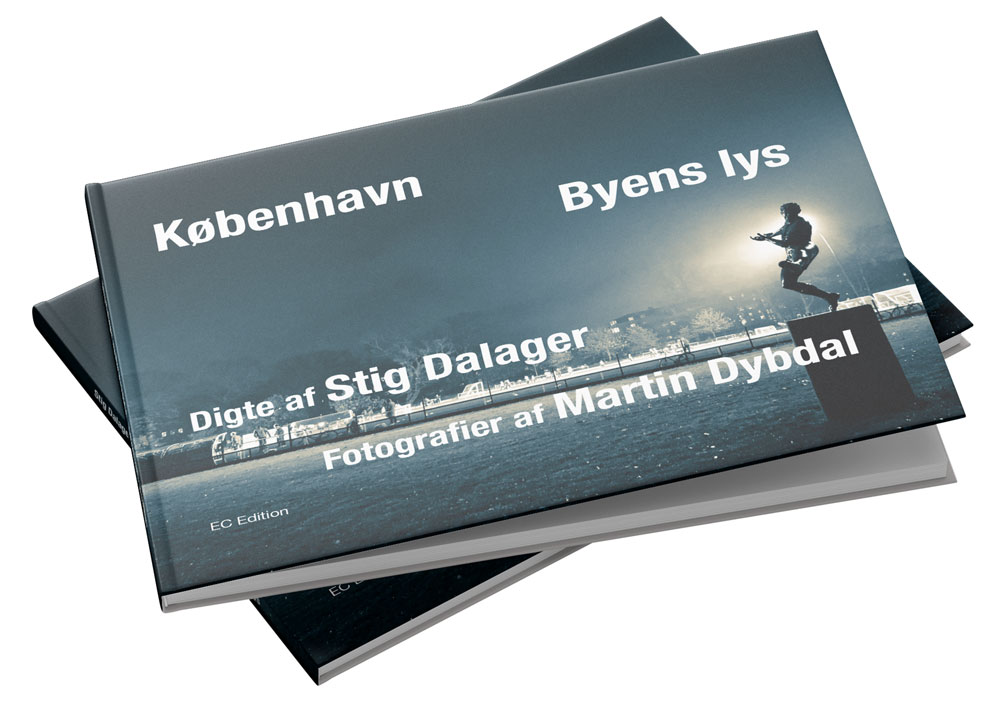
Af Stig Dalager og Martin Dybdal
Fotografier af Martin Dybdal med digte af Stig Dalager. Tekster og grafisk design af Hassan Sørensen.
28,4 x 21,5 cm.
Hardcover: DKK 299,-
ISBN: 9788793783935
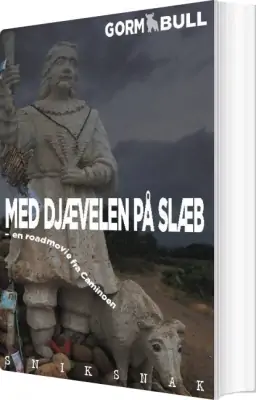
Af Gorm Bull
2010 indtalte Gorm Bull TV-serien “Bertelsen på Caminoen”. Ni år senere gik han selv de 800 kilometer til Santiago de Compostela. Det er der kommet en noget anderledes rejseberetning ud af. En udviklingshistorie med afsæt i en slags protestvandring. Bogen er en hybrid mellem rejse- og skønlitteratur. Der er rig mulighed for at følge et menneskes kvaler og spejle sig selv i de problematikker, der opstår undervejs. En dramatisk, personlig indre og ydre rejse – beskrevet med humor og indsigt.
Hvert kapitel indeholder en QR-kode som giver adgang til små film fra netop den dag der beskrives i bogen.
Grafisk design og konceptudvikling af Hasse “Hassan” Sørensen.
12 x 19 cm.
230 sider.
Hardcover: DKK 199,95
ISBN: 9788743033622
Hasse “Hassan” Sørensen (sometimes styled as Hassan Sørensen) is a Danish/Scandinavian author and creative known for several things:
He’s a writer and “rockstar storyteller”, especially writing history and satire.
He’s also a graphic designer (or “grafisk formgiver”).
On the design side, he’s done logo work / visual identity for companies.
He was born in Denmark in 1970 and has lived in Copenhagen and abroad. He advocates for history being told with a “pint of beer” rather than a “laser pointer,” suggesting an opinionated, entertaining approach.
He has authored several books, including:
Hammered History, which is a pub-style deep dive into human nature.
Ásatrú, also known as Norse Paganism, Norse Mythology or Forn Siðr.
Vikingology & Norse Mythology Encyclopedia.
Næ, men jeg har talt med Gud om det (Well, I’ve Talked to God About It), a fictional work where a journalist interviews God.
Historier rundt om bålet (Stories Around the Campfire), which are anecdotes and peculiar sagas.
He is also credited with graphic design and concept development for other books.
Humor + History: His historical books are not academic textbooks. He writes with a sense of humor, using satire, memorable (sometimes crude) anecdotes, and an approachable tone.
Design-Driven Storytelling: Because he’s also a graphic designer, his books often have design elements that are thoughtfully integrated (layout, design, concept). This dual skill set gives his work a distinct, polished, yet playful feel.
Irreverence + Personality: In his bio (on some book descriptions), he refers to himself as a “rockstar storyteller.”
Self-Awareness: He doesn’t pretend to be a strict academic historian — he acknowledges that some historical simplifications or jokes are part of his style.
He seems to cater to a readership that likes history but hates dry history books. People who prefer stories, humor, and a more “pub-style” narration over footnotes and dates.
His English work (like Hammered History) suggests he’s trying to reach an international audience, not just Danish readers.
Through his design work, he also collaborates with photographers and other authors, bridging visual art and text.
In short, Hasse “Hassan” Sørensen is a multi-talented Nordic creative, combining graphic design with writing, especially known for bringing humor and narrative flair to history.