Denmark
Trolls, vikings, and high end design
A country the size of a suburb …
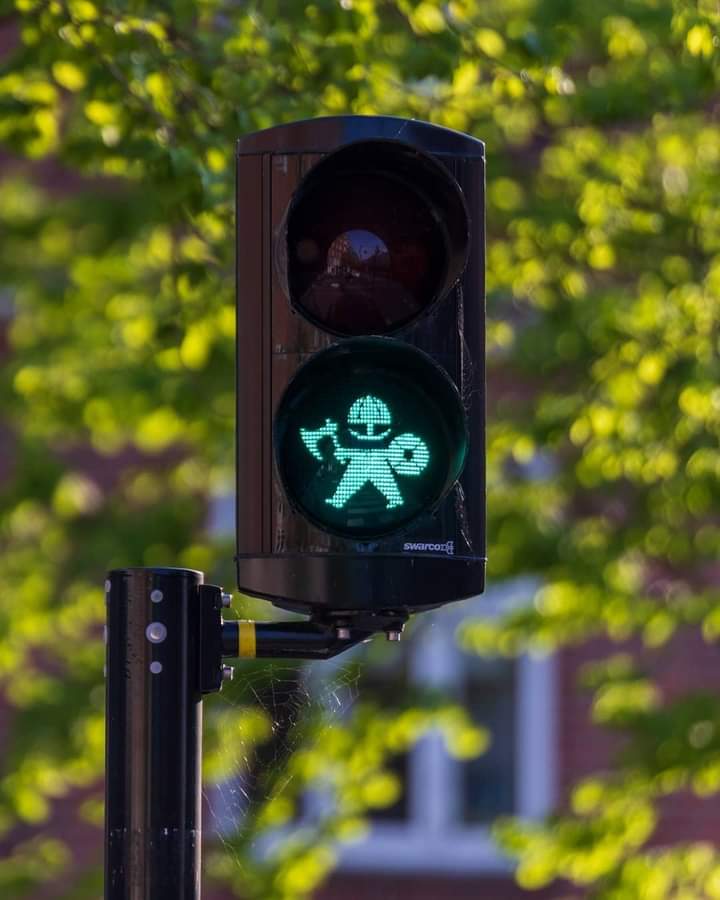
One must begin, of course, with the Viking heritage. This is the genetic seed of the nation, the primordial soup from which the modern Dane inexplicably sprung. They were, in their day, the terrifying, axe-wielding, sea-faring psychopaths who invented the concept of ‘smash and grab’ on a continental scale, utterly dominating the known world with their superior longships and neurotic hygiene.
And what did the modern Dane do with this legacy of blood, thunder, and conquest? We translated it, with a bewildering lack of irony, into High-End Design. As descendants we now spend our time meticulously crafting wooden chairs that are simultaneously beautiful and structurally sound. It’s the ultimate evolutionary non sequitur: the urge to pillage replaced by the urge to polish.
The Danish social contract is, frankly, a phenomenon that requires a complete re-evaluation of the laws of human physics. Here, citizens have agreed to pay taxes so high we could theoretically fund an entirely new continent, but in return, we receive a guarantee that nobody, absolutely nobody, will be left to freeze awkwardly in the gutter.
Hospitals and Education: Both are essentially free. Yes, free. Which means we have somehow managed to decouple the provision of life-saving surgery and critical thinking skills from the necessity of crippling personal debt—an astounding feat of administrative magic that simply doesn’t compute in most parts of the world.
We even get paid to study, which is why every Dane has a useless PhD.
The World’s Best Education: We have a baffling dedication to it. Not in the sense of ‘cramming for the exams,’ but in fostering a breed of highly competent, well-adjusted individuals who are taught to challenge the established narrative from a young age—a dangerous habit that, curiously, has resulted in a stable democracy rather than anarchy.
Work-Life Balance: This is achieved by working a sensible, human number of hours (37 a week, give or take the occasional nap) and then, and here’s the crucial part, leaving. Entire offices become eerie, echoing tombs by 5 PM, thus proving that efficiency is directly proportional to how little time one spends staring blankly at a spreadsheet, contemplating the meaninglessness of existence.
Elder Care and Unemployment: The system ensures that if you are old, someone will look after you, and if you are unemployed, you will not instantly starve. This revolutionary idea, known as “The Social Safety Net,” is predicated on the weird assumption that people are, fundamentally, worth caring for.
While this may not sound economically sound, we actually have one of the highest living standards in the world, and Denmark is debt-free. Go figure.
The core Danish attitude is perhaps our most perplexing trait. We are, on the whole, Atheists. We don’t believe in God, the devil, or even the urgent necessity of wearing clothes when a decent patch of beach is available.
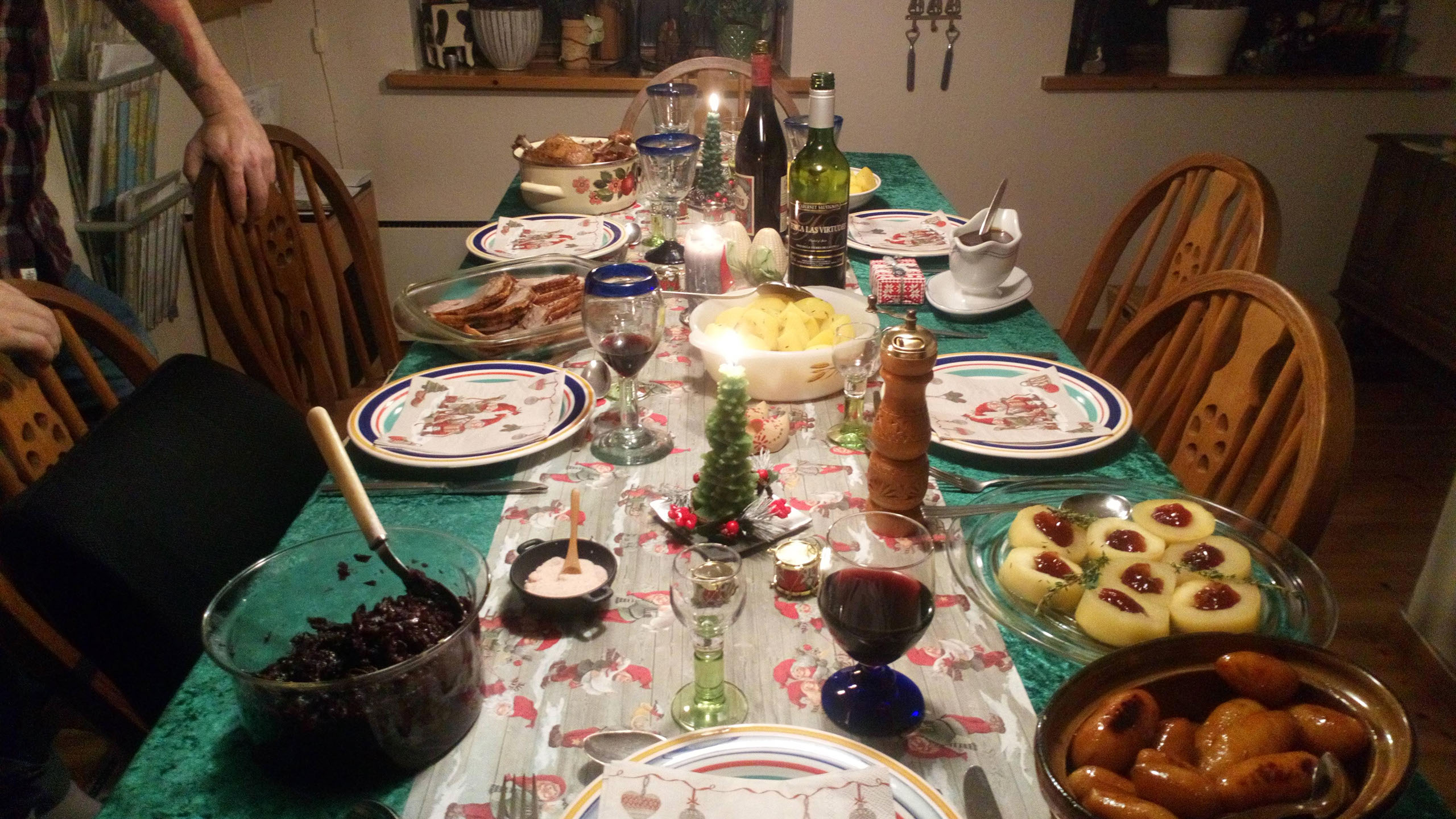
However, mention a Nisse or a Troll, and the cynical Dane suddenly develops a very convenient case of “just-in-case” spiritualism. While we wouldn’t be caught dead in a pew on Sunday, we will meticulously leave out a bowl of rice pudding in the attic come December—purely for “tradition,” of course, and definitely not because we fear a tiny, bearded man in a red hat will turn our cows sour or hide our car keys.
The national religion, one suspects, is a form of highly sophisticated, self-deprecating irony. We make fun of ourselves and each other constantly, in a ritual known as janteloven (which is basically a social algorithm designed to prevent anyone from feeling too special), yet manage to remain, statistically, some of the happiest people on Earth. This suggests that the secret to true happiness is simply to tell extremely dry jokes about your own existence.
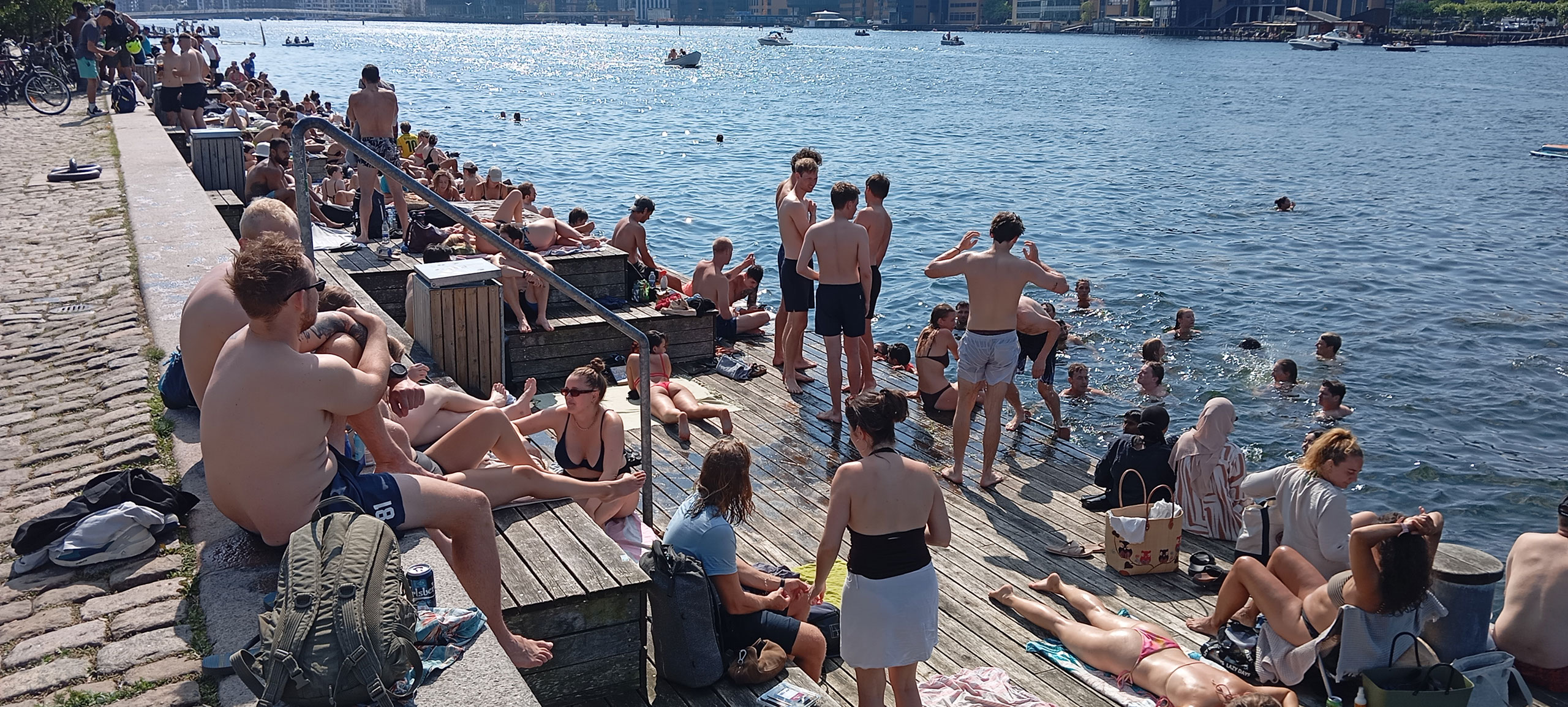
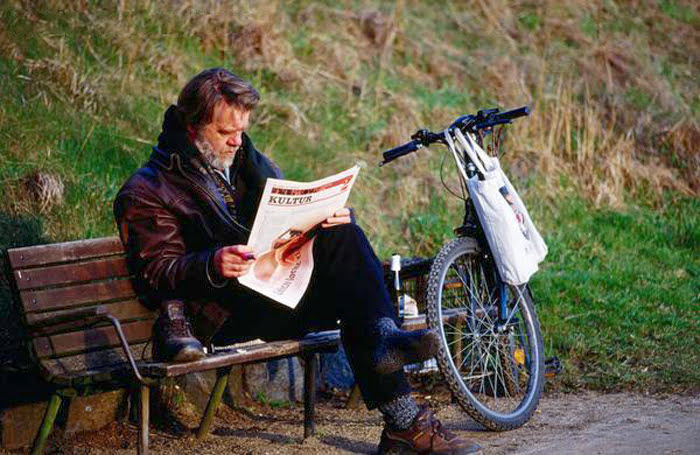
The Carefree Public Drinking and Nudity is just a logical extension of this mindset. Once you’ve established that the world is largely indifferent to your struggles and that you are probably going to have a decent hospital and pension fund regardless, why not take off your clothes and enjoy a beer in a public park?
Finally, we come to the great empty space that defines Denmark: its landscape. It is a country almost entirely devoid of dramatic geological features. There are no mountains, no active volcanos, no vast, surging rivers—just low-lying, gently rolling plains that go on for quite a while, frequently interrupted by a disconcerting amount of coastline.
The highest point is a hill called Møllehøj, which stands at a modest 171 meters. In many other countries, this would be considered a slight incline or perhaps a decent-sized historical mound, but in Denmark, it is a peak. We have therefore proven that if you wait long enough for the glaciers to finish their work, and then carefully cultivate your society, you can achieve world-leading happiness simply by lowering your geographical expectations.
The secret to our inexplicable cheerfulness, is a concept known as “Hygge”.
Statistically, Denmark burns more candles per capita than any other nation, and if your living room doesn’t resemble a Victorian seance, you aren’t doing it right.
At its heart, hygge is a strategic defense mechanism against the universe being a bit of a cold, indifferent place. It’s a way of building a small, temporary fortress of warmth and friendship.
It’s about being “present.” It’s about the absence of anything annoying or overwhelming. It is essentially the art of pretending that the rest of the world doesn’t exist for twenty minutes while you drink something hot and eat a pastry the size of your head. (Read Hygge Explained further down the page.)
And that, in essence, is Denmark: a nation of highly evolved, furniture-designing, irony-loving, former pirate-descendants who have somehow managed to create a perfect, flat, well-funded utopia, mostly by avoiding the mistake of taking anything—especially ourselves—too seriously.
Claims to fame
People
- Leifur “Heppni” Eiríksson – The first European to settle in the Americas, some 500 years before Christoffer Columbus
- Hans Christian Andersen – Fairytale writer
- Søren Kierkegaard – Philosopher, founder of Existentialism
- Karen Blixen – Writer (Out of Africa)
- Arne Jacobsen – Architect, Designer
- Jørn Utzon – Architect (Sydney Opera House)
- Henning Larsen – Architect
- Bjarke Ingels – Architect (BIG – Bjarke Ingels Group)
- Dorte Mandrup – Architect
- Holger Bech Nielsen – Physicist
- Niels Bohr – Physicist
- Lars Von Trier – Film director
- Susanne Bier – Writer, Film director
- Viggo Mortensen – Actor (Lord of the Rings)
- Bjørn Lomborg – Controversial environmentalist
- Mads Mikkelsen – Actor (James Bond: Casino Royal)
- Scarlet Johansen – Actress
- Prince Hamlet – Nope! Not real…
Sports
- Female National Handball Team – in the late 1990’s World Champions, European Champions and Olympic Games winners simultaneously
- Tom Kristensen – nine times Le Mans winner
- Mikkel Hansen – Worlds best handball player
- Caroline Wozniacki – Tennis player
Musicians
- NHØP (Niels-Henning Ørsted Pedersen) – Jazz musician
- Aqua – Pop group (Barbie Girl)
- Lars Ulrich – Metallica drummer
- D-A-D (Disneyland After Dark) – Rock Group
- Bent Fabricius-Bjerre – Composer
- Lukas Graham – Pop musician
- MØ – Pop musician
- Volbeat – Pop-rock group
- Safri Duo – Percussion-based electronic music band
- Michael Learns to Rock – Pop band (primarily known in Asia)
- Victor Borge – Pianist and comedian
Brands
- Maersk – the worlds largest shipping company
- Carlsberg – the worlds largest brewery
- LEGO – the worlds most creative toy
- Bang & Olufsen – the worlds most overrated and overpriced hi-fi producer
- Novo Nordisk – producer of insulin to diabetes patients all over the world
- NOMA – the world’s best restaurant (6 times)
- Pandora Jewellery – concept jewellery
- Georg Jensen – heavily overpriced kitchenware and jewellery
- Vestas – Wind turbine producer
- Oticon – World leading hearing aid
- DanDryer – The annoying blowdryer for your hands at almost every public restroom in the world
Assorted claims to fame…
- Vikings, e.g. Cnut the Great and Harald Bluetooth
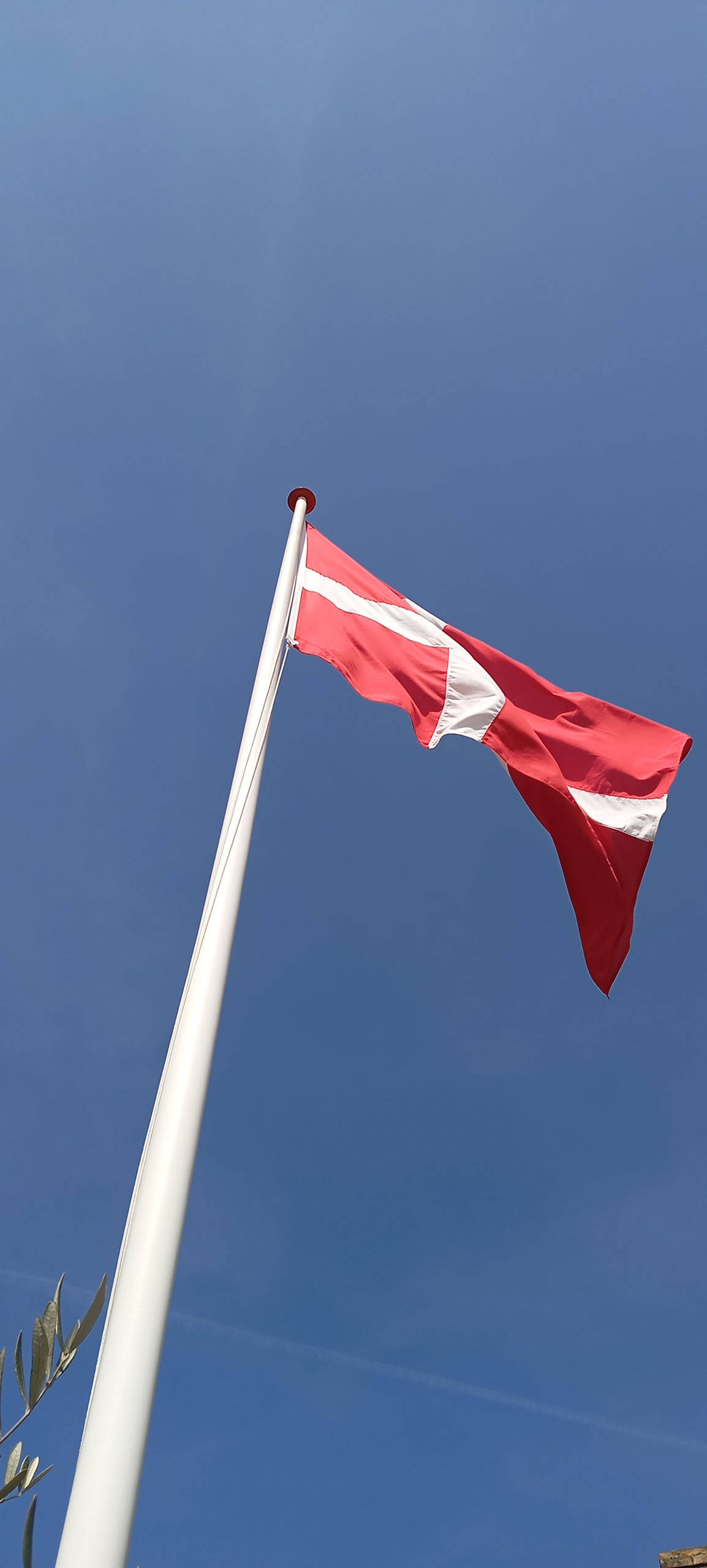
- World’s oldest flag (and the invention of the national flag)
- The Hamburger (invented by Louis Lassen)
- Google Maps (invented by Lars and Jens Eilstrup Rasmussen)
- Mount Rushmore in the USA (made by Gutzon Borglum)
- The concept of “Hygge”
- The pH Scale (Chemistry)
- Insulin (Mass-production/Novo Nordisk)
- The Loudspeaker (Moving-coil)
- C++ Programming Language (Bjarne Stroustrup)
- C# Programming Language (Anders Hejlsberg)
- The Bohr Model (Atomic structure, Niels Bohr)
- Electromagnetism (H.C. Ørsted)
- Modern Wind Turbines (Vestas/Poul la Cour)
- The Speed of Light (Ole Rømer’s discovery)
- Magnetic Sound Recording (The Telegraphone)
- The Dry Cell Battery
- The Gram Stain (Bacteria classification)
- Pure Yeast Culture (Carlsberg Laboratory)
- The Earth’s Inner Core (Inge Lehmann’s discovery)
- Radiator Thermostats (Danfoss)
- Bluetooth (The naming/concept origin)
- Danish Pastry (Specific recipe evolution)
- The Drum Motor (Conveyor belt technology)
- The Modern Thermometer (Ole Rømer’s scale)
- The Viking Longboat (Clinker-built maritime engineering)
- Quantum Computing Chips (University of Copenhagen qubits)
- World’s best Social Security
- Free healthcare and education
- 52 weeks of paid parental leave
- Bakken and Tivoli – the two oldest amusement parks in the world
- Public alcohol consumption and nudity is legal
- Children playing unaccompanied
- Dark humor and lots of swearing
- World’s best average education
- No religious culture and no taboos
- Lifelong friendships
- Sleeping babies are left unattended in strollers outside cafes and shops
- A flat country, with a flat hierarchy, and a flat temper
Dos and don’ts in Denmark
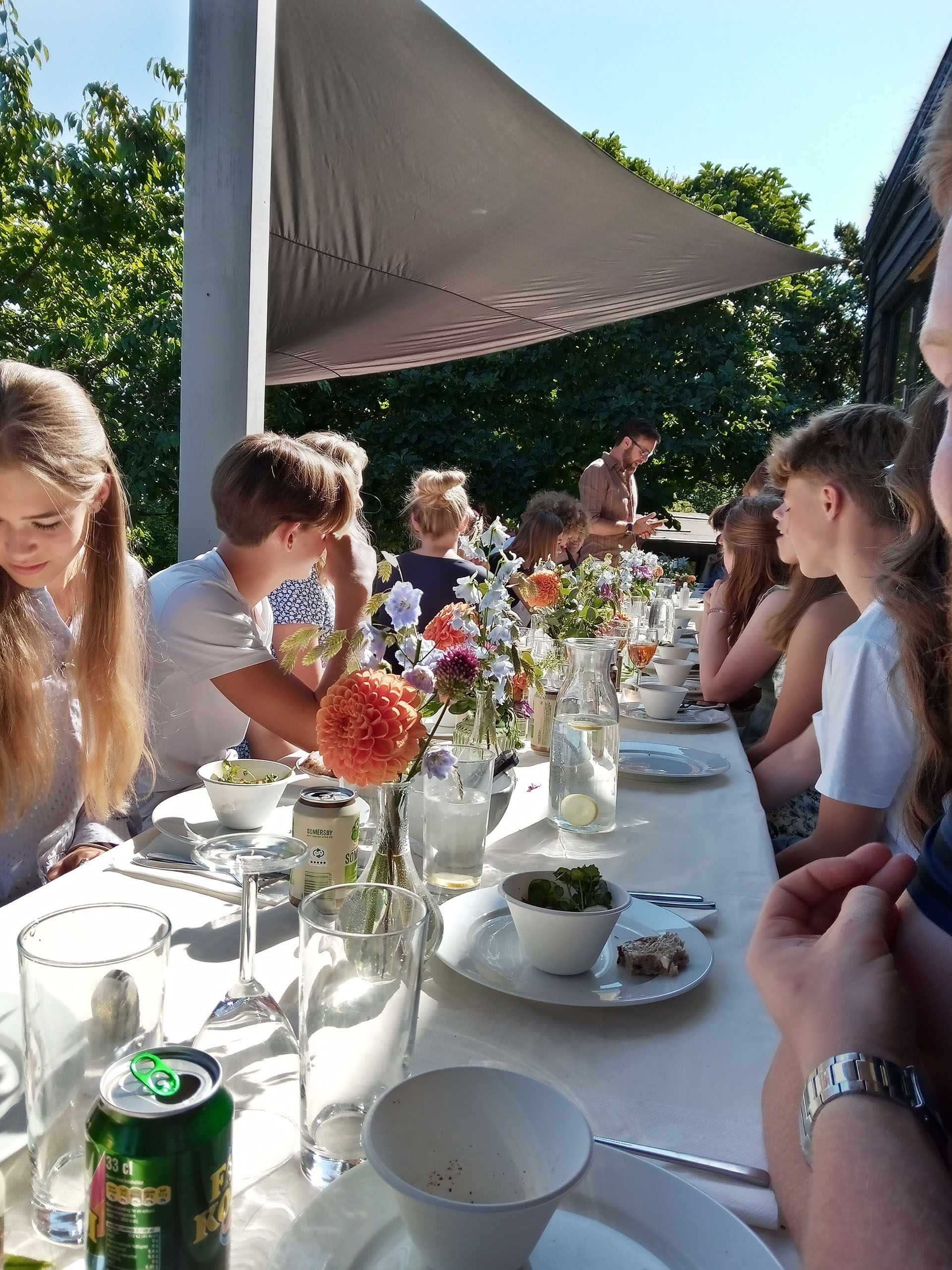
- When you arrive at a party, greet everyone individually.
- Everyone helps carry things to and from the kitchen, set the table, clean up, etc.
- A dinner starts at 6 PM and ends sometime after midnight.
- People stay at the table after the meal to continue the conversation, and there is a lot of drinking.
- Don’t praise yourself, your partner or your children. It’s embarrassing.
- Feel free to make fun of yourself. Self-irony is highly valued and a show of self-confidence.
- Time is valuable and precious, money is not. You can impress with a vacation or hobby, but not with an expensive car or accessories.
- Time is valuable: Don’t be late. Ever. Burning other people’s money in front of them would be a lesser offense than wasting their time.
- All people have equal value, and their opinions will be heard, even the person who sweeps the floor.
- Being the king, chairman or CEO is a position of trust. It doesn’t mean that you decide, but that you organize meetings and carry out what is agreed.
- Don’t use your title. “I work at Novo” is enough, we don’t need to know if you’re the boss or the dishwasher.
- Religious outrage is like your bad breath: Keep it to yourself.
- Don’t approach a subject cautiously. Get to the point. (“
I’m very sensitive to loud noises.Turn down the music.”) - People who don’t make eye contact or smile are considerate, not mean.
- People’s homes are their secret lairs. If you’re invited to someone’s home, you belong to their inner circle of friends.
- Denmark is a small country with short distances. Friendships that start in preschool last a lifetime.
- There are no taboos and “forbidden words”, but sex, religion and politics are only discussed with your friends.
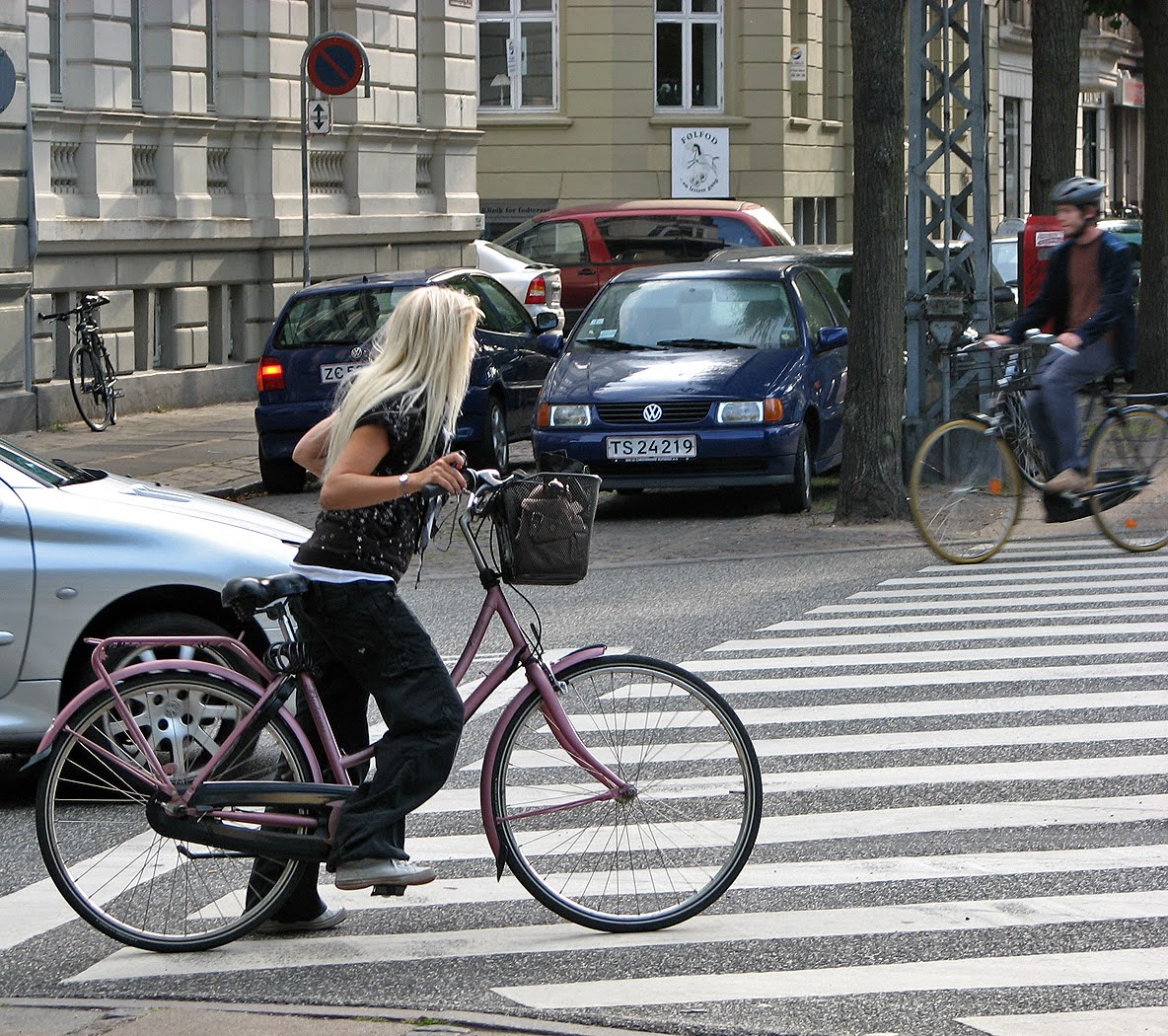
- If you monitor your children 24/7 and solve all their problems for them, you will be considered a bad parent for not letting them develop natural self-confidence and independence. Let them bike to school – alone.
- If you raise your voice or use condescending words, you’ve lost. Give up and leave in shame.
- If someone makes fun of you, it’s a sign of respect. If they don’t, you have a problem. Being able to tolerate being made fun of is a sign of self-confidence and trust.
- Denmark is a very small country. If we are mentioned in international news we lose our shit. Feel free to laugh at it.
- A very welcome imported word in the Danish language is “fuck”. Get used to hearing it 100 times a day.
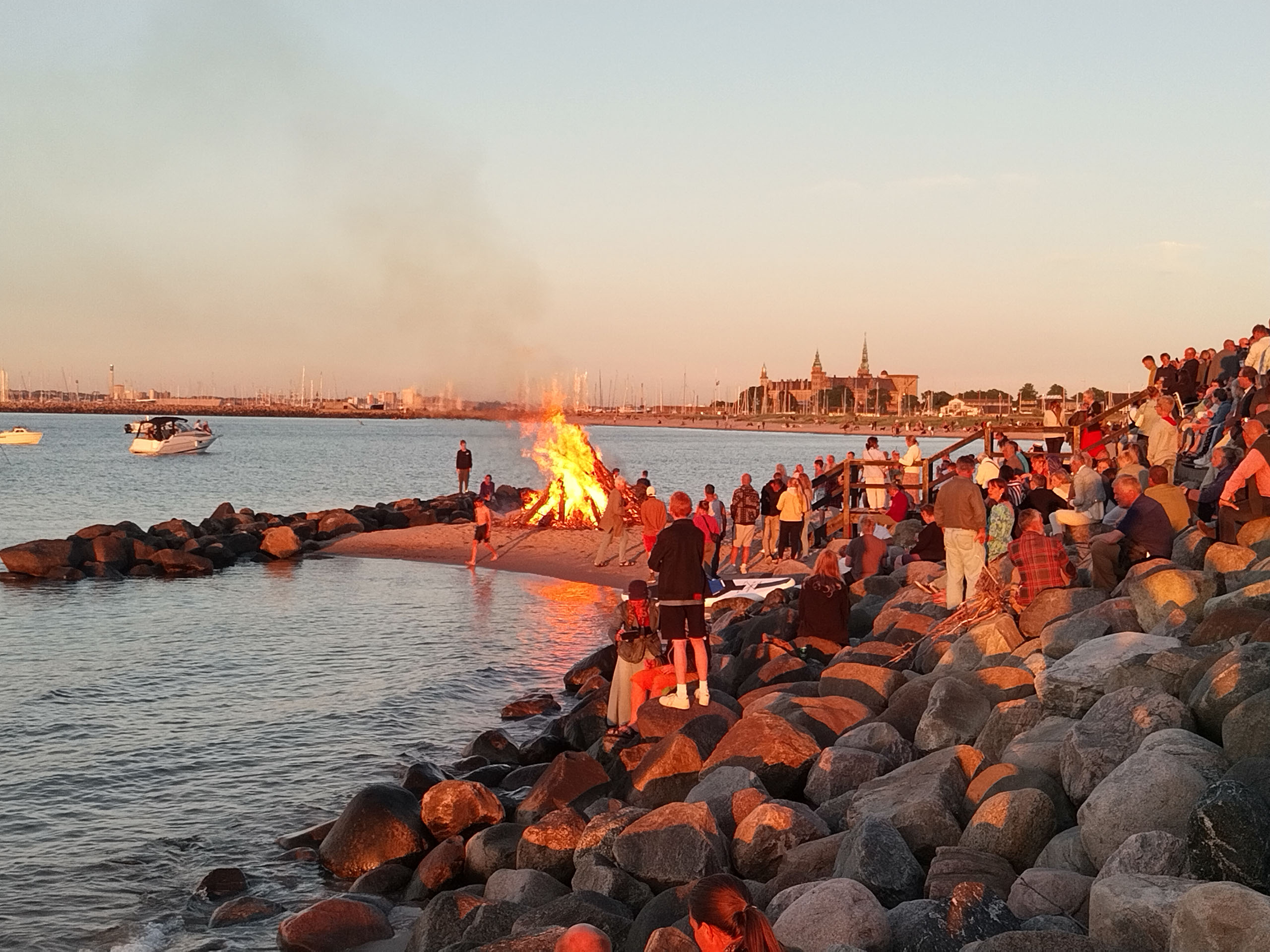
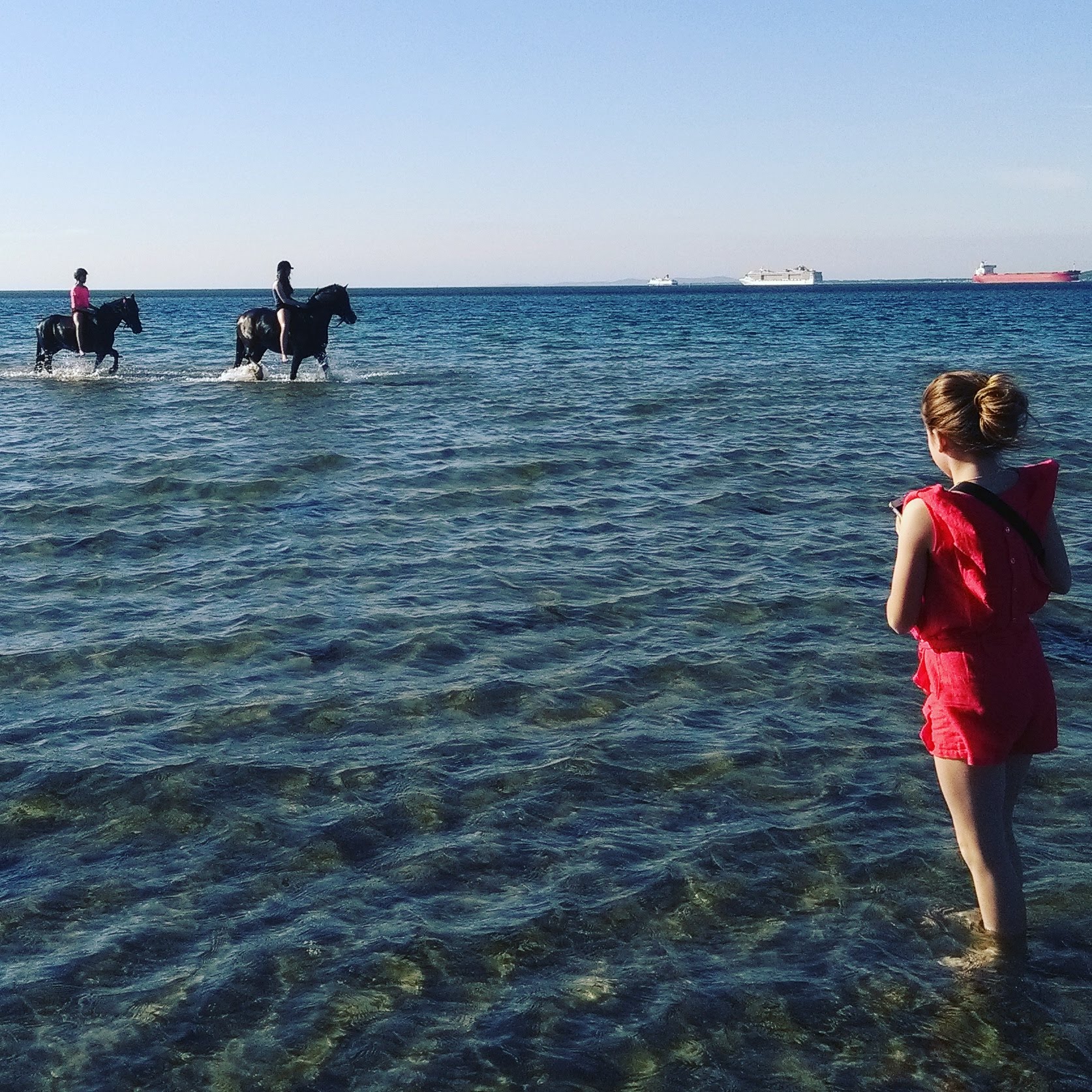
- If you see someone taking off all their clothes to swim in the harbor, you’re welcome to look, but don’t stare like a creep. They’re not doing it for attention.
- If you complain in a restaurant, that someone breastfeeding is making you uncomfortable, you will be asked to leave. And never come back.
- A law doesn’t mean you have to obey it. It means you have to be considerate when you break it. There’s a reason it’s there, and you’re an intelligent person who understands the potential consequences.
- We ignore you or hug you. There is no in between. (Except for formal business meetings.)
- If a Dane says you’re an idiot, it’s to help you. It doesn’t mean the friendship is over – in fact, the opposite.
- We are still Vikings. We don’t care about sensitive feelings, we get straight to the point, we are not afraid of either Russia or the USA (as you may have seen in the news), but we are loyal to those who show us respect, to the last drop of blood. We like to punch up, and as newbies in the company not afraid to argue with the boss. Throw away your sensitivity and anxiety, and join in.
- When you arrive at a business meeting don’t start with small talk. Business first, social pleasantries afterwords. (Pleasantries before business will create the impression you were only pleasant to trick people. After the business is done, it’ll show genuine interest.)
- You are given trust, but you earn respect.
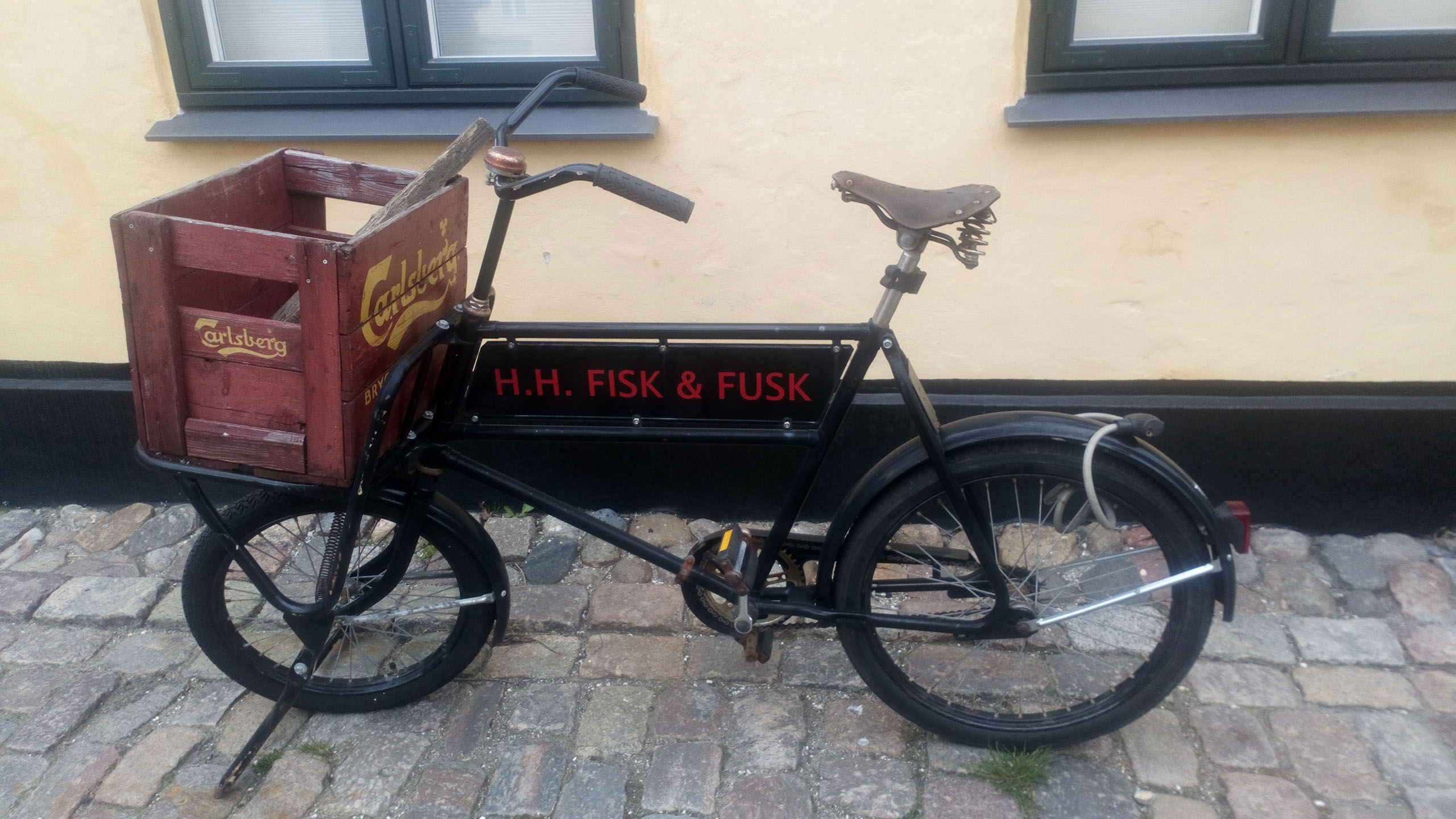
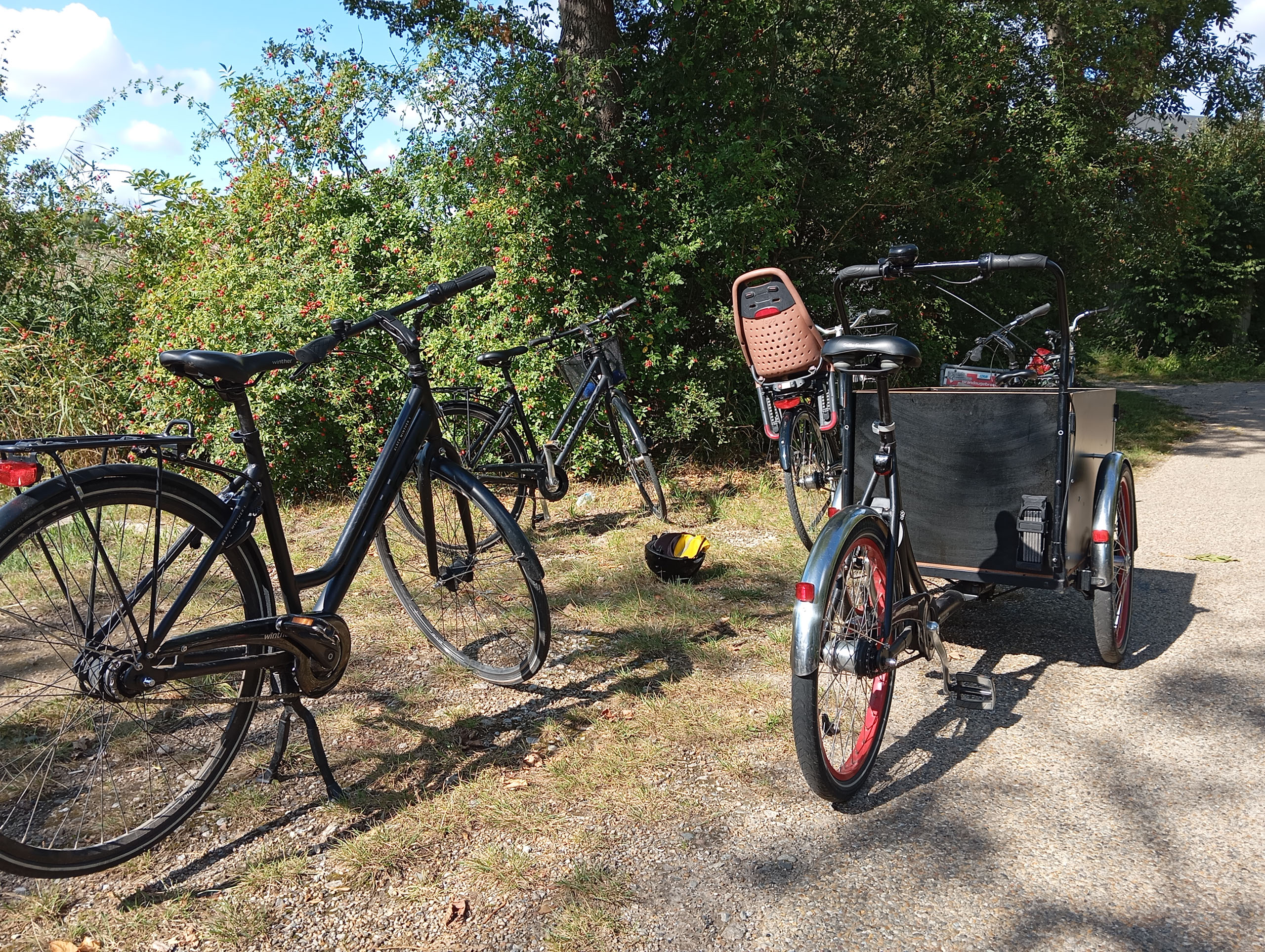
- No one is going to steal your money, your child, or your iPhone. Stop being neurotic. (But they will steal your bike, so lock it thoroughly.)
- If you see the king or the prime minister cycling alone through the city, don’t lose your shit. Keep your dignity and your phone in your pocket.
- In short: Stop being overly sensitive and neurotic. Show equal respect for everyone, help with all tasks, and be empathetic. But most of all: Make fun of yourself and everyone else, drink like there’s no tomorrow, and laugh out loud.
Hygge explained
First of all, hygge means nice or cozy in everyday speech.
“Hyggeligt” to meet you, this is “hyggeligt”, and “hyg dig” which means “have a good time”.
But as a phenomenon “hygge” means creating a place and situation that keeps the uncomfortable, cold and formal world out. Soft clothes, hot beverages, candles and low pleasant music, with a good book or informal conversation, pretending time doesn’t exist.
Many objects can be “hygge”, like “hygge-socks”, “hygge-food”, and “hygge-lights” – objects that strengthens the feeling of well-being and informality.
“Hygge” also means not trying to achieve anything. “Hygge-football”, for example, means playing football without actually keeping score, and being patient with someone leaving the field to have a sip of his beer.
“He is hyggelig” means he makes you feel at ease in his company.
A “hygge-evening” can be meeting to play board games with a nice glass of wine or a mug of hot cocoa, and plenty of pauses to talk.
For “hygge” you can’t talk politics or anything else that will make your blood boil. It has to be pleasant, informal, and gentle impressions. Soft clothes, soft light, soft conversation, unhealthy food (pastries, crisps and sweets), and no time-keeping.
Danes work hard and focused, multitask, plan everything in details, and are generally over-achievers. We are unfiltered opinionated and never shy away from a debate. We are cynically rational and efficient. Hygge is the antidote, where we turn it all off.

Picture Gallery