
There has been a lot of rumours and gaslighting going on in connection to the new Greenland Security Agreement. How much does it differ from the 1951 deal?
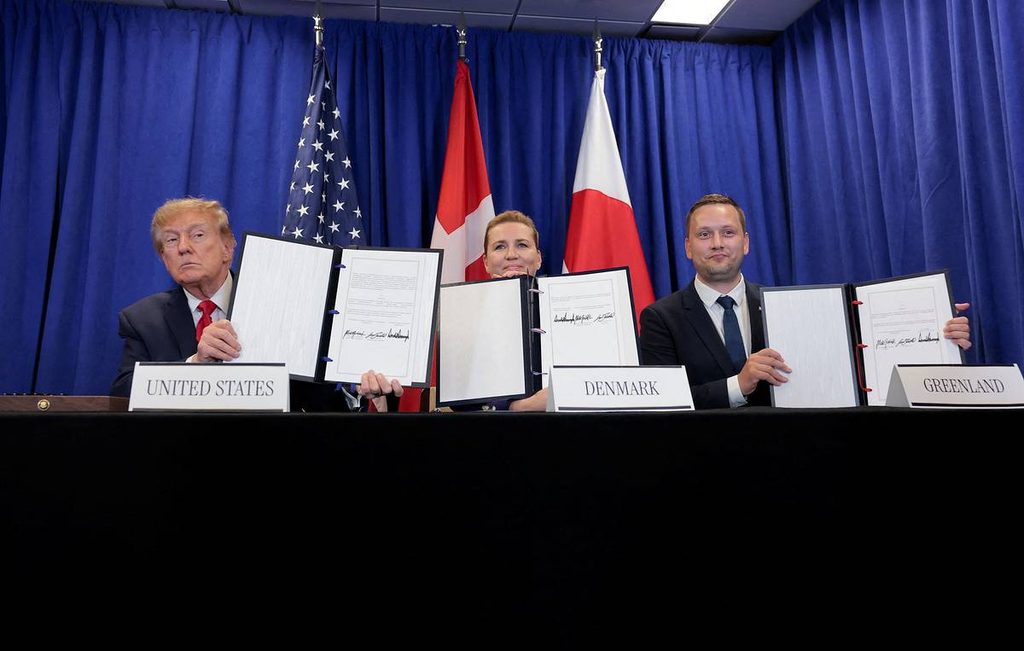
Here’s an outline (interesting part highlighted in bold text):
| 1951 Defense Agreement | 2026 Security Agreement | |
| COUNTRIES INVOLVED | U.S. and Denmark. | U.S., Denmark and Greenland. |
| U.S. MILITARY PRESENCE | Allows the U.S. to establish and operate agreed defense areas in Greenland under NATO defense plans. Allows the U.S. to station and house military and civilian personnel in defense areas and provide for their health, recreation and welfare. No specific number. | Builds on the existing framework and provides for an expanded American military presence, including additional defense areas. The agreement does not set a specific number of U.S. personnel. |
| MILITARY FACILITIES | Gives the U.S. authority within agreed defense areas to construct, install, maintain and operate military facilities and equipment, and store supplies. | Allows expansion of existing U.S. facilities, such as Pituffik Space Base, and the creation of additional defense areas, including Narsarsuaq and Mestersvig. The three parties can propose additional areas under the agreement. |
| SOVEREIGNTY | Danish sovereignty preserved. | Danish sovereignty and Greenlandic self-determination recognized. |
| SECURITY CONCERN | Cold War defense framework. | Arctic security amid competition involving Russia and China. |
| GREENLAND | Greenland was not a separate party. | Greenland participates directly. |
| FOREIGN INVESTMENTS | No central focus on foreign investment or non-NATO military presence. | Restrictions on rival military and strategic activity.* |
| COST | Existing U.S. military costs. | No public estimate yet for the cost of the new expansion. |
| MISSILE DEFENSE | Provided the framework for Cold War-era U.S. defense installations and capabilities. | Allows expanded U.S. defense capabilities, including plans for a Golden Dome missile-defense presence in Greenland. |
| DURATION | No expiration date; the framework has remained in effect through subsequent amendments. | No expiration date and designed to continue even if Greenland eventually becomes independent, according to the agreement’s terms. |
U.S. President Donald Trump has made two interesting claims in connection to this agreement, that demands some clarification, that, unfortunately, I am not able to provide.
Claim number one: “NO COST to the United States.”
If Trump is going to fly the U.S. Troops to Greenland using frequent flyer miles, and (re-)build the bases solely by upcycling existing materials is unclear.
Claim number two: “(…) permanent control over security and all other needs.”
Especially the sentence “and all other needs” raises a few questions. Besides defence no other needs are being addressed in the agreement.
* Restrictions on rival military and strategic activity is a particularly interesting phrase. What it means is that there has not been a previous text in the agreement stipulating that Russia, China, Iran, North Korea, et al, could not build military bases in Greenland. I have to say: In much the same way most restrooms don’t have a sign prohibiting fishing for salmon in the toilet bowl.
This could be an issue in the long term, as most other NATO countries doesn’t have a written rule about rival military bases on their turf either.
In effect: If the Communist Party wins a landslide election in Germany, and the new government invites North Korea to build a military base in the outskirts of Düsseldorf, no NATO rules prohibit this. We have to keep a close eye on Germany.
Winners and losers
USA: For the USA, as a country, there is no win or lose. The rights they have “gained” were already in the existing agreement from 1951, without being stipulated in detail. E.G.: They could have set up the Golden Dome, within the existing agreement, as it was so vague no details would prevent it.
For president Trump it’s a potential win in the USA, as he can “sell” this agreement as a big win to his fanbase, while internationally it’s a big lose for him, as almost all countris now look at his government with caution and scepticism – and generally speaking has lost confidence and respect.
Denmark: For Denmark this is neigther a win or a lose, as this agreement doesn’t change anything at all, for the kingdom. There has, however, been a small gain in terms of tourist revenues, from the dispute that lead up to this agreement, as Denmark has been highlighted in news outlets all over the world, and is now perceived with an enthusiastic sympathy and respect. In other words: tourism in Denmark is skyrocketing.
Greenland: For Greenland this has been a big win. Greenland is now co-signing the deal, and to a much higher degree recognised. This also means that if alterations are to be made to the deal, for example expansions to US military presence, the deal can no longer be made between Denmark and the USA without requesting permission from Greenland’s government (Naalakkersuisut).
If you want to get updated on the story of Greenland, and the previous agreements with the USA, prior to this new agreement, you can find the most interesting highlights in this little fast read:
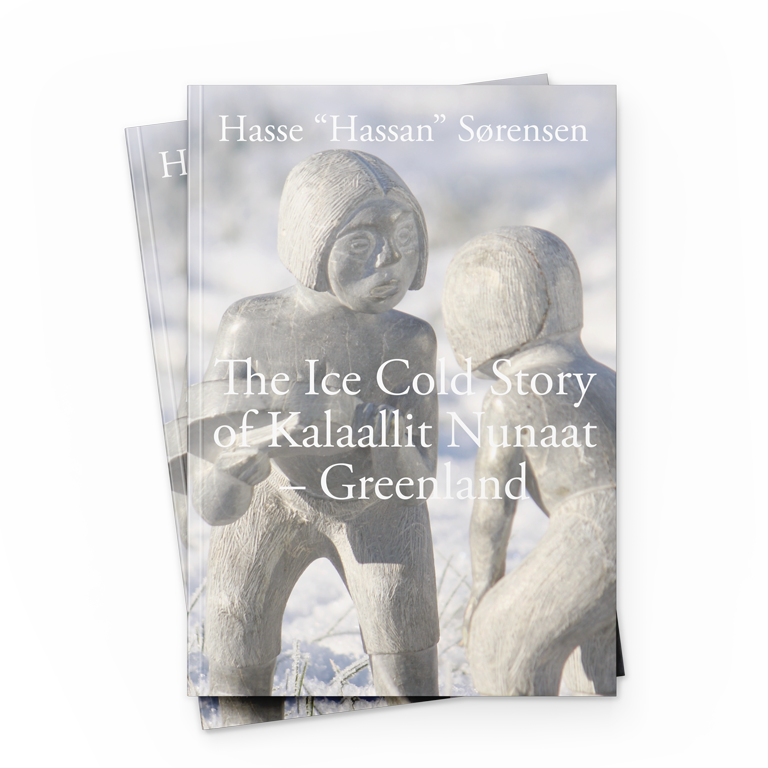
The Ice Cold Story of Kalaallit Nunaat – Greenland
Without sugarcoating, this book tells the ice cold story of Kalaallit Nunaat – Greenland – its Inuit people, the Danish colonial era, and the long and winding road towards independence.
Read this book to grasp how this cold country became such a hot topic.
82 pages
12 x 19 cm.
Paperback: € 7
E-book: € 3
Audiobook: €3
ISBN Paperback: 978-91-990142-1-0
ISBN E-book: 978-91-990142-0-3